About Kara Jerden, Co-owner
The spark that changed everything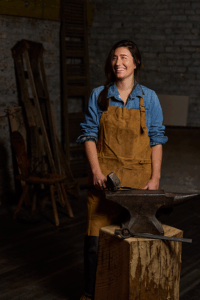
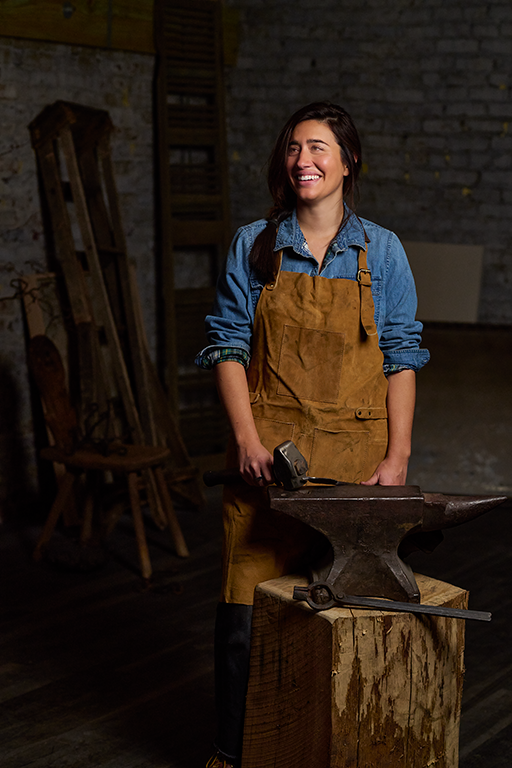
I’ve always made the final tipping point of all major life decisions based on a question: “Would this make a good story for my grandkids one day?” That single question has gotten me into more peculiar, fantastical, cringe-worthy, delightful, and utterly stupid situations than I could begin to tell you about.
In part, I think I got that spontaneous, live-life-large-and-by-the-seat-of-your-pants mentality from growing up around my dad’s best friend, Jimmy Caldwell. Jimmy was extreme in every way—particularly the entertaining ones. He was an adrenaline junkie with a creative streak wider than the Columbia River Gorge where he disappeared one night kayaking in the moonlight. But what really shaped me was watching how Jimmy treated rules like polite suggestions and failures like punchlines to better stories. He could build anything from a zipline though the woods to a crazy wood and steel spiral staircase and he’d jump from blacksmithing to leatherworking, letting each medium inform the others in ways that made his work impossible to categorize. To him, creativity wasn’t about mastering one thing—it was about playing with everything until something magical emerged.
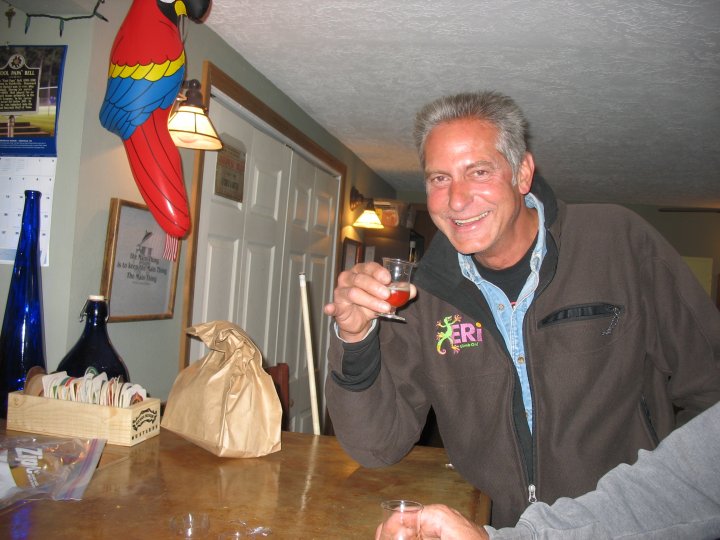
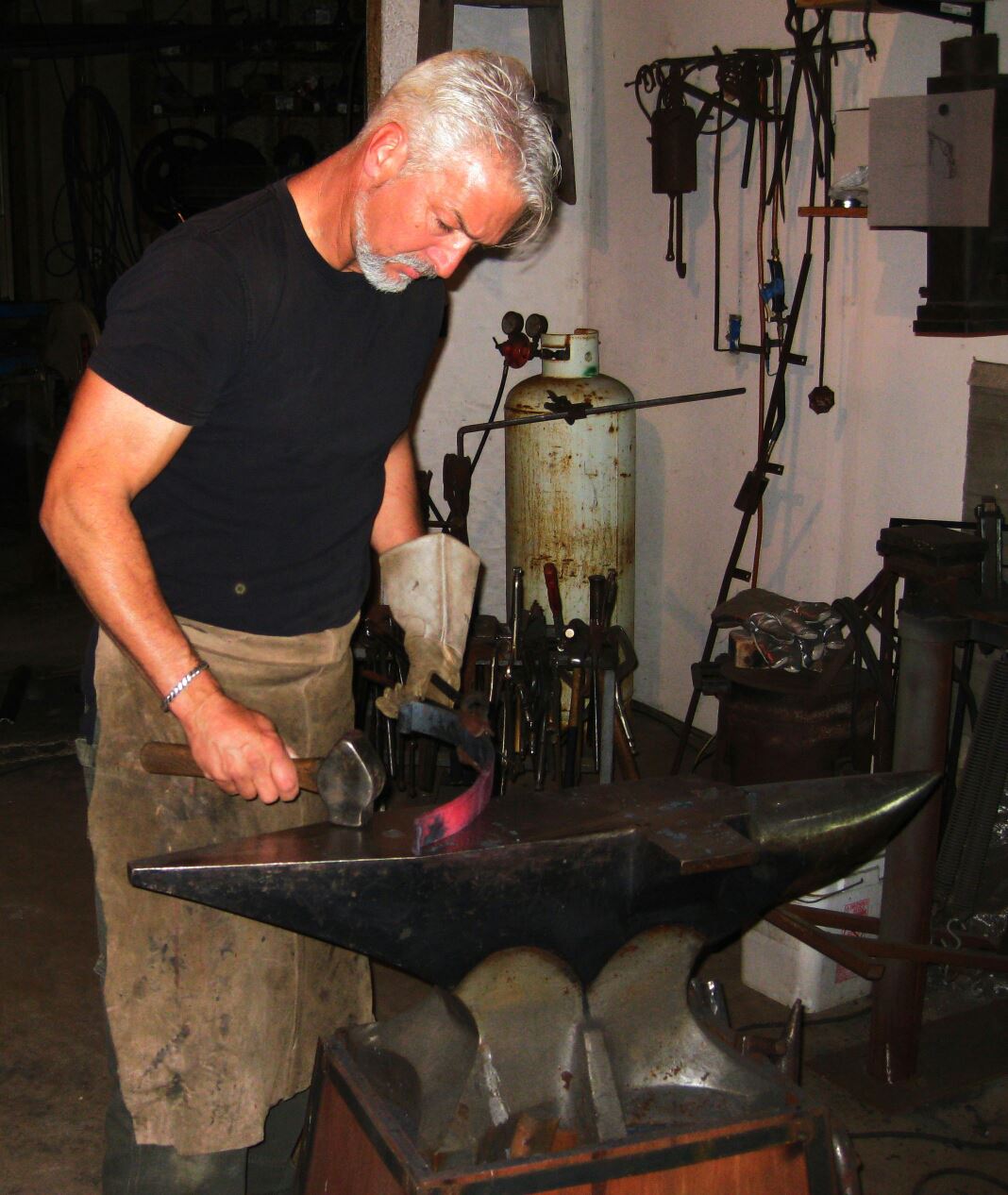
After his funeral, I found myself in his blacksmith shop, nursing beers and grief in equal measure. That’s when something magical happened. As I watched the hot metal move with every blow of the hammer, I became transfixed by the raw possibility of it all—the ability to move metal into any shape the mind could imagine. Jimmy’s ghost was practically laughing at me, knowing I’d caught the bug.
The 8-hour gamble
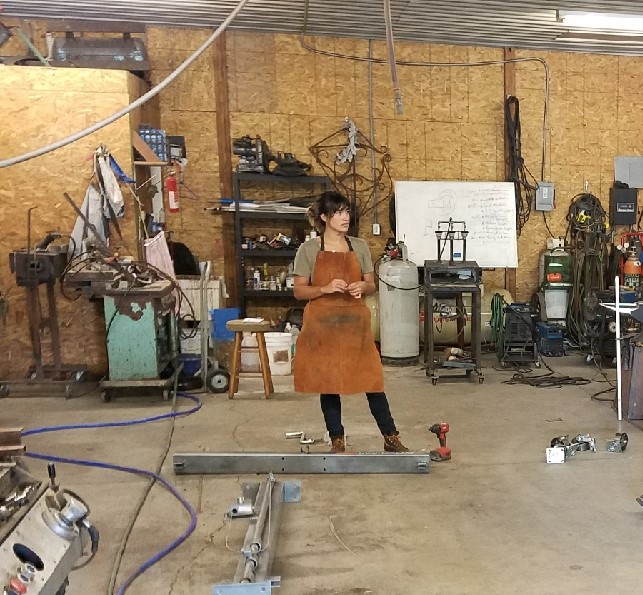
Bryan turned out to be cut from the same cloth as Jimmy—a motorcycle-riding rocker who could jump on stage with any rock band or sit down with a classical Spanish guitar and make you forget where you were. He had that same devil-may-care attitude where failures were just stepping stones to better stories, never something to dwell on. Looking back, I think I might have hoodwinked the poor guy with pure enthusiasm alone—because somehow, I walked away with an apprenticeship offer.
 It’s that same “rules are suggestions” philosophy that drives how we approach Ironware today. When clients bring us ideas that seem impossible or projects that don’t fit neatly into traditional categories, we don’t see obstacles—we see the beginning of a story worth telling.
Building the foundation
I picked up my life and moved to learn the craft properly. For two years, I built rails, gates, and all sorts of odds and ends alongside Bryan, soaking up everything I could about working with metal. When the apprenticeship wrapped up, I landed at SCF—a structural steel fabrication shop that, in one of life’s beautiful ironies, I now own. Those early days were all about mastering the basics of fabrication.
The mountain interlude and Colorado discovery
Like any good story, mine needed a detour through Wyoming, where I spent time tinkering in the mountains on my own. Eventually, I made my way to Colorado and Living Design Studio—a well-known architectural fabricator that completely blew open what I thought was possible.
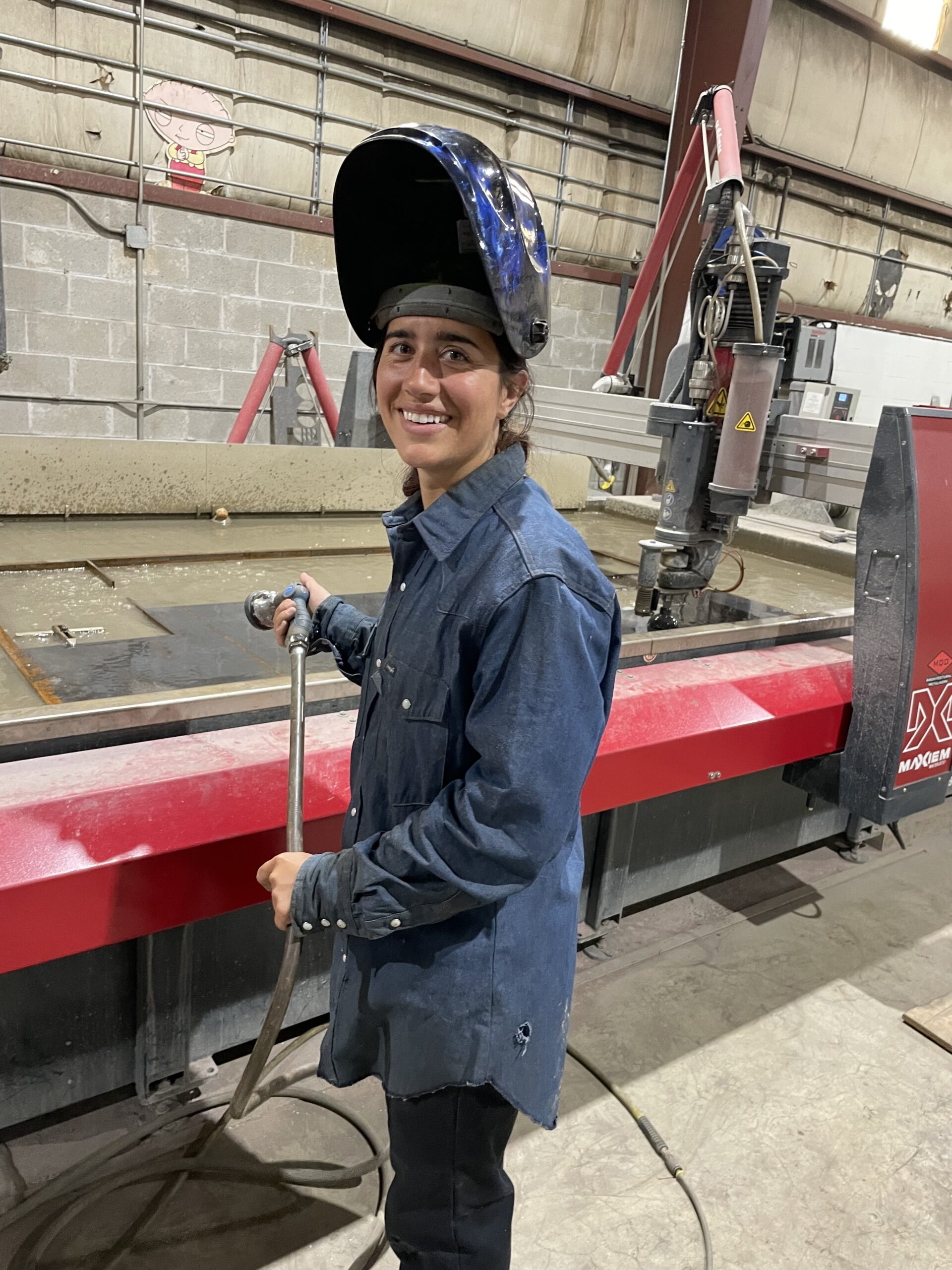
This is where I learned that “good enough” isn’t enough when you’re working with high-end, high-dollar clients who expect perfection. Every project stretched me in different directions—wire mesh-wrapped canopies for hotel lobby bars, massive steel fireplace surrounds, intricate forged railings—and each one demanded a completely different skill set and material knowledge. The work incorporated wood, glass, various metals, and finishes I’d never touched before. I loved always feeling challenged, always being pushed to deliver flawless quality no matter how complex the brief.
That relentless standard of excellence? It’s non-negotiable at Ironware. Every piece we create has to pass the grandkids test—will this be something worth talking about in 50 years? If the answer is anything less than an enthusiastic yes, we go back to the forge.
The accidental Vegas chapter
Las Vegas wasn’t exactly in my five-year plan, but sometimes life has other ideas. I “accidentally” opened a fabrication shop there after a friend of a friend discovered I was a certified welder. The slew of restaurants his company owned kept bringing me work, and before I knew it, I was running my own operation in the desert.
Coming to build
Eventually, I moved back to Indiana to work at my father’s structural steel shop—the same SCF where I’d learned the basics years earlier. Initially, I thought I’d hate the business side of things. Instead, I discovered something unexpected: the deep satisfaction of building structures that literally changed the landscape of the area where I grew up.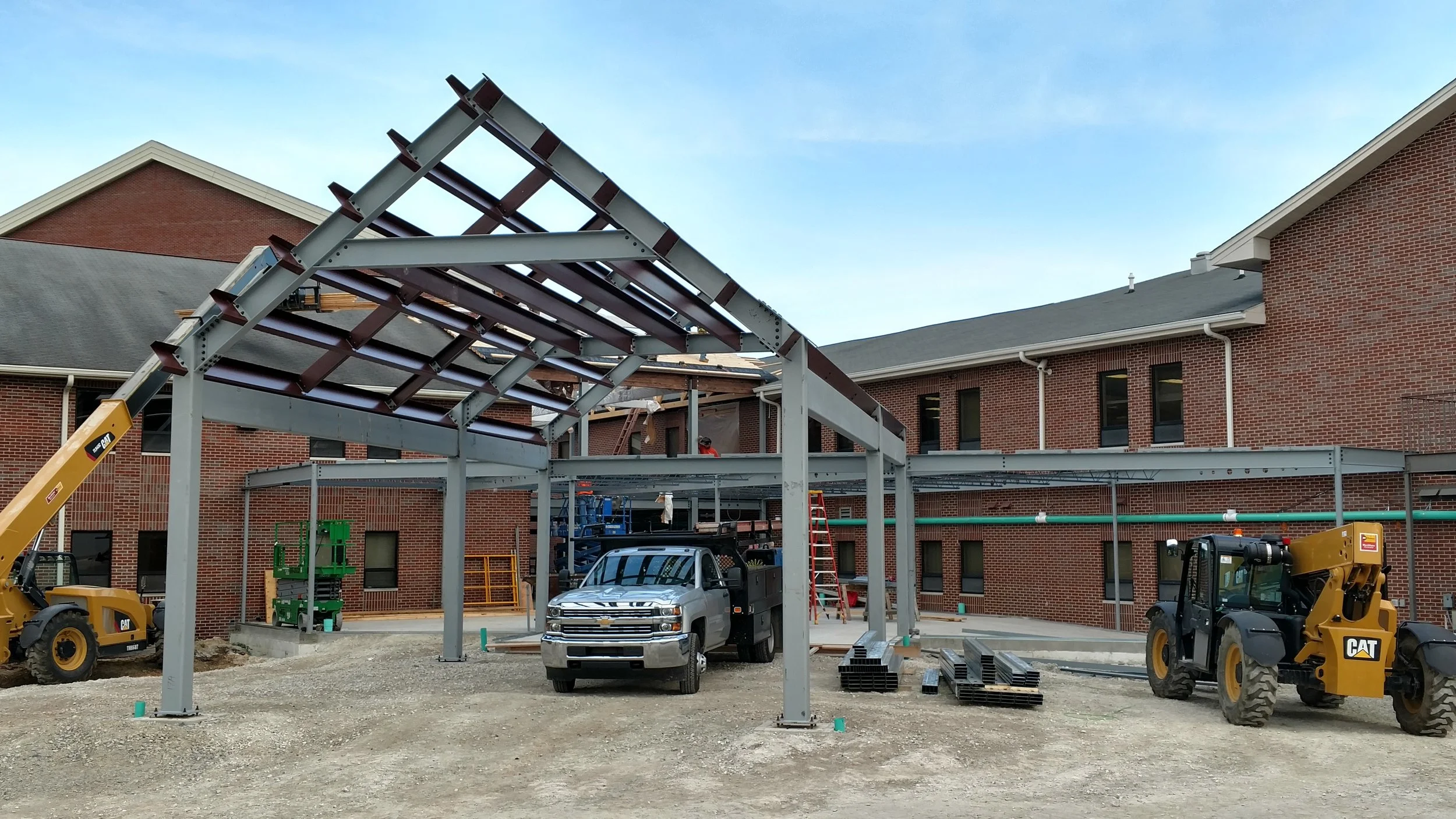
By 2019, I’d bought the company from my dad and found myself loving every project and every partnership involved in making it happen. But something was missing—that no-holds-barred creative outlet that had first captured me in Jimmy’s shop. I was building buildings, but I wasn’t experimenting, playing, or pushing boundaries the way Jimmy and Bryan had taught me to.
 The Chicago connection
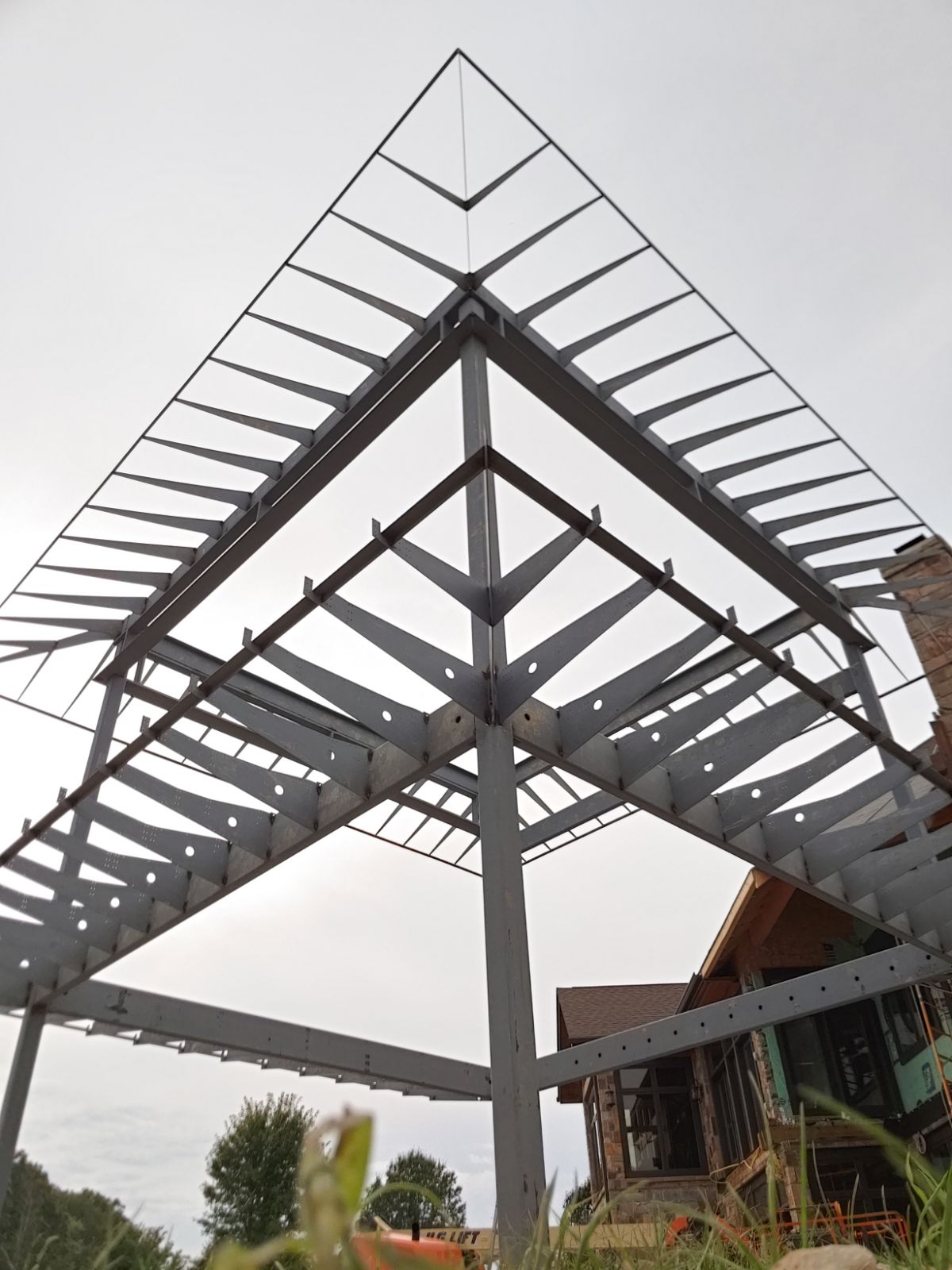
That’s when I partnered with MDO, a fabricator in Chicago, stretching SCF into more unusual, design-focused projects. I’d regularly travel there to forge with Matt, chasing that creative high I’d been missing. During one of these collaborations in summer 2021, Matt mentioned a brand called Ironware that had approached him about manufacturing their pieces.
Enter Ironware
Matt and I were working on an SCF-MDO partnership project—installing a complex, beautiful structure in southern Indiana—when Karin, Ironware’s previous owner, drove up to meet him at our job site. Given my blacksmithing background, I got pulled into that first conversation.
Karin later told us she was blown away that just the two of us were handling the installation of something so intricate. She could see right away that we weren’t the type to back down from a challenge, that we had both the passion and the technical chops to push Ironware beyond where it had already been. Life has a way of bringing things full circle, and two years later, when she was ready to retire and looking for someone to carry on Ironware’s nearly four-decade legacy of handcrafted, heirloom-quality pieces, I faced an impossible choice.
The intoxicating fear
I was already stretched thin, juggling way more than any sane person should attempt. (Ask any of my exes—the first descriptors anyone would use about me would decidedly NOT boast of my merits of sanity.) The rational part of my brain was screaming that this was insanity wrapped in a business proposal.
But that pull—that gravitational force toward being part of something legendary, toward having endless ability to create anything that crawled out of the dark corners of imagination—it was stronger than morphine and twice as dangerous. The fear of failure felt tiny compared to the terror of wondering “what if” for the rest of my life.
Here’s what I know
The same restless creativity that drove Jimmy to experiment across mediums, that made Bryan fearless in his craft, that pulled me from Wyoming to Colorado to Vegas and back home—that’s what Ironware deserves. Not someone who’ll keep things safe and stagnant, but someone who’ll ask, “what if we tried this?” and “how can we make this even better?”
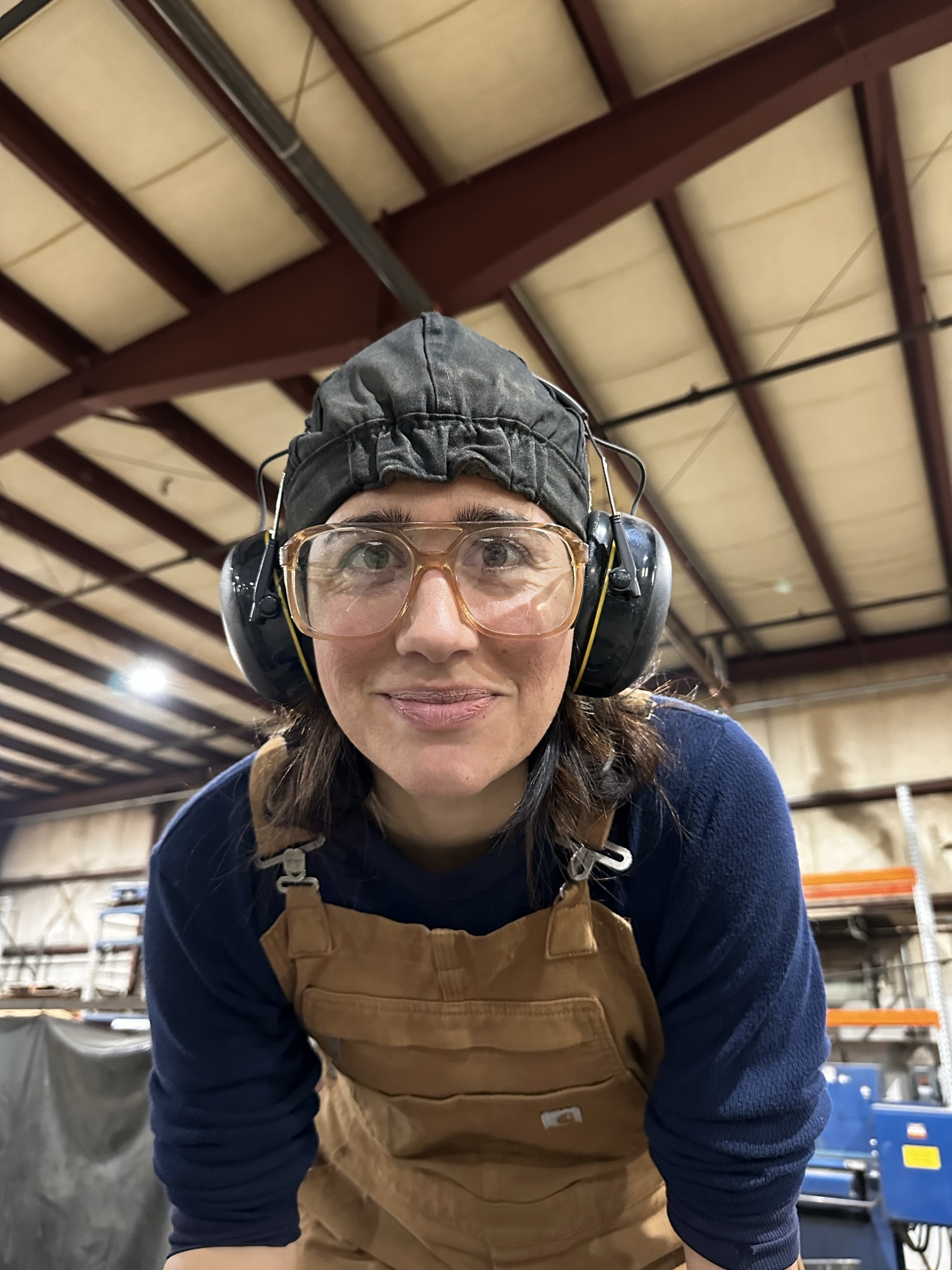 And here’s what makes this transition different from most business acquisitions: the entire Ironware team made the journey with us. We’re talking hundreds of years of combined experience—our general manager alone has been working with Ironware pieces for over 30 years. This isn’t a restart; it’s an evolution. We’re taking one of the world’s oldest known crafts and bringing it fearlessly into the 21st century, built on the foundation of nearly four decades of Ironware’s proven excellence.
We won’t be boxed in by what fireplace tools or multi-tier chandeliers are “supposed” to look like. That playful exploration my mentors taught me—letting different artistic interests bleed into the metalwork, treating each failure as research for the next experiment—that’s where Ironware is headed. The incredible tradition of blacksmithing craftsmanship around the world? We’re building on that, expanding it, pushing it further. Who knows where that curiosity will take us? But I guarantee it’ll be worth documenting.
Sometimes the best decisions are the ones that scare you so badly you can taste your own heartbeat. And sometimes, if you’re really lucky, the ghost of an old friend and fellow thrill seeker might nudge you toward the forge and leave your ears ringing with the question: “How about this story for the grandkids?”
When you work with Ironware, you’re not just buying a piece of metal—you’re commissioning a story.  One backed by nearly 40 years of proven craftsmanship and a team whose collective expertise spans generations. One that your grandkids will fight over inheriting. One that makes guests stop mid-conversation to ask, “Where did you get that?” One that represents the same devil-may-care creativity and uncompromising quality that’s been passed down through generations of makers who refused to play it safe.
We’re not going anywhere. We’re the people who don’t back down from complex installations, who answer the phone ourselves, and who’ve surrounded ourselves with master craftspeople who’ve been perfecting this art for decades. We’re taking ancient craft into the future, one fearless project at a time.
So when you’re ready to create something that’ll make your own grandkids stop and stare, you know where to find us. Just be prepared to answer the question: “Will this make a good story?”