A Meeting of Sculpture and Light
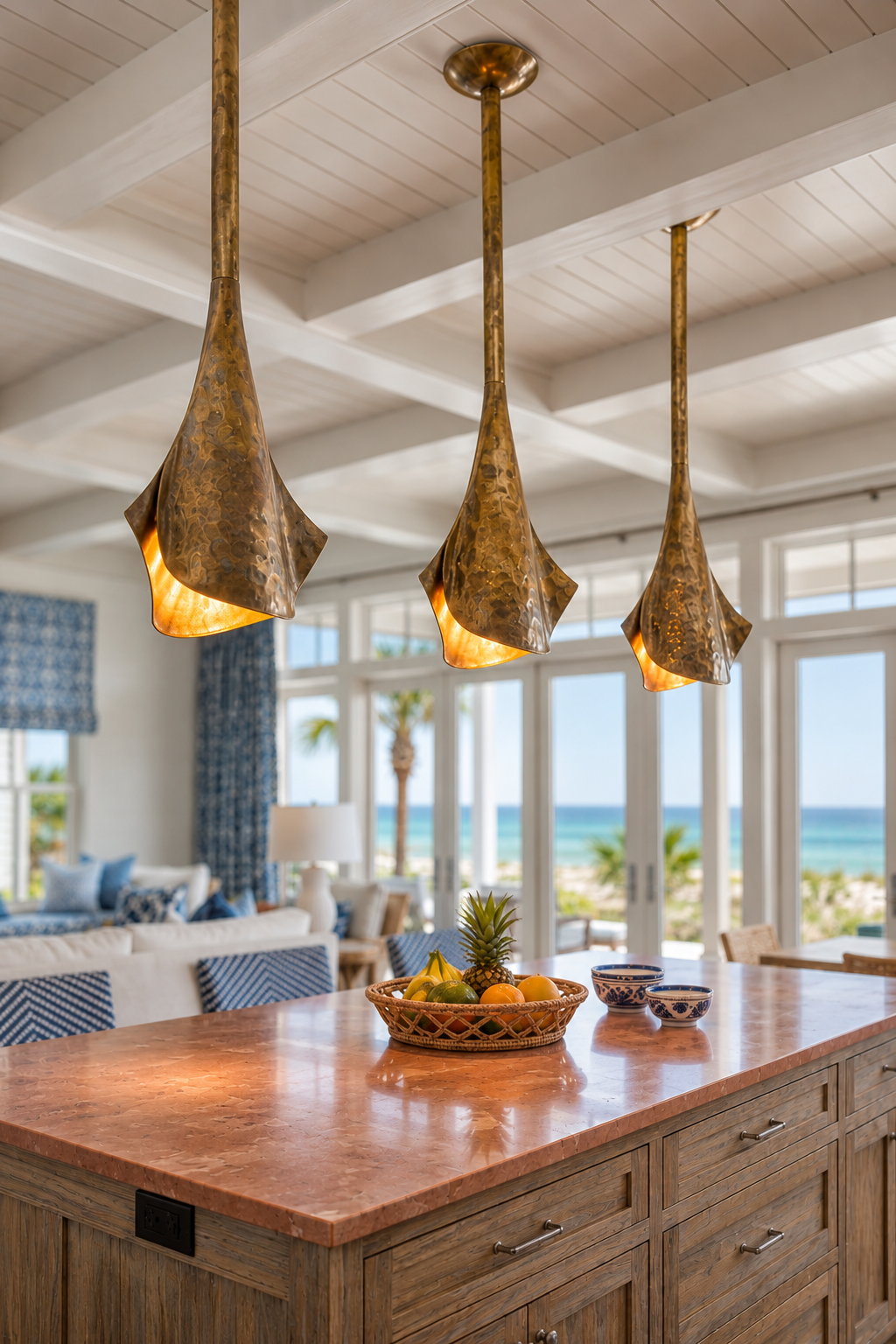 A Meeting of Sculpture and Light
Ironware Introduces the Stingray Collection in Collaboration with Robert Lee Morris
There are collaborations that bring two brands together. Then there are collaborations that unite two philosophies.
For decades, Robert Lee Morris has created some of the most recognizable sculptural jewelry in American design. His work has always celebrated the beauty of forged metal, organic form, and the quiet power of simplicity. At Ironware, those same principles have shaped everything we build—from architectural lighting to hand-forged furnishings.
The Stingray Collection marks the beginning of a creative partnership built on those shared values.
The Story Behind the Stingray
Long before it became a lighting collection, Stingray began as wearable sculpture.
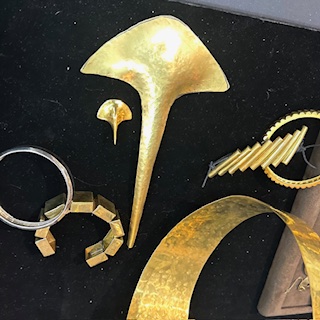
In the early 1980s, after launching an exclusive 14-karat gold collection for Saks Fifth Avenue, Robert began experimenting with forming incredibly thin sheets of gold into dramatic sculptural shapes. His goal was simple: create bold forms that remained remarkably lightweight.
In 1985, Donna Karan invited Robert to create the jewelry for her first solo collection, pairing her sleek, draped designs with his bold, sculptural gold pieces. It was the start of a collaboration that continued on and off for two decades.
The result became one of his most iconic designs.
“The gorgeous simple shape of the flared ray instantly became another iconic look for me.” —Robert Lee Morris
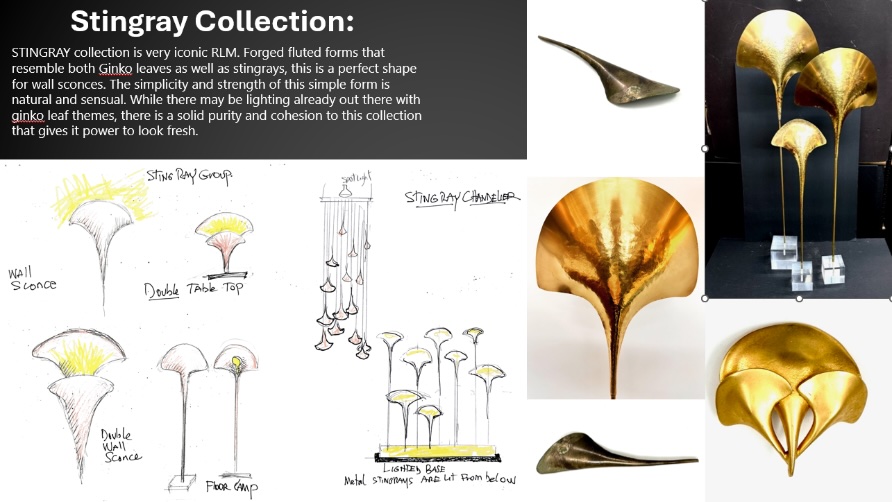
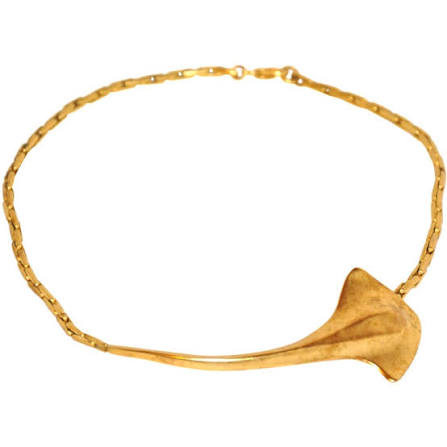
Inspired by both the graceful movement of stingrays and the fan-like geometry of the ginkgo leaf, the form captured a rare balance of strength and softness. Over the decades it evolved from earrings into buckles, pins, hair ornaments, sculpture, and collectible objects, becoming a recurring symbol throughout his career.
For Robert, the Stingray also carries a deeper meaning.
His lifelong fascination with the graceful movement of these animals—and the sense of calm they inspired—made the form much more than an aesthetic exercise. It became a personal symbol of simplicity, serenity, and the enduring beauty found in nature.
“The simplicity and gentle quality of these animals carries me today through the general chaos of life.” —Robert Lee Morris
From Jewelry to Architecture
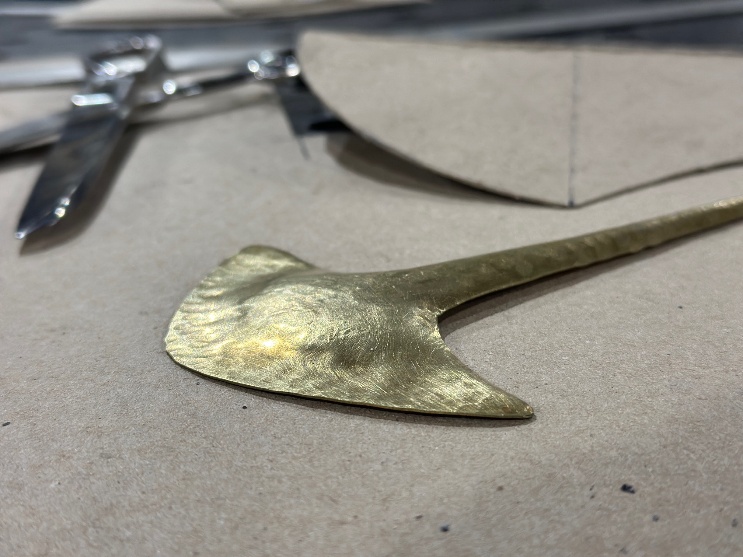
The challenge wasn’t simply enlarging a piece of jewelry. It was preserving everything that made the original powerful.
Every curve.
Every flare.
Every hammered reflection.
Every impossibly delicate transition from broad wing to narrow stem.
Working alongside Robert, Ironware translated those proportions into hand-forged architectural lighting while remaining faithful to the original sculpture.
The result is lighting that feels less manufactured and more discovered—as though each piece has been quietly growing from the metal itself.
A Collection Built by Hand
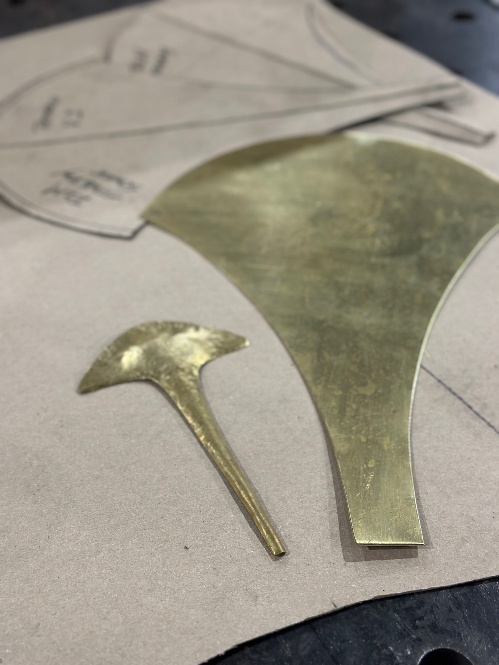
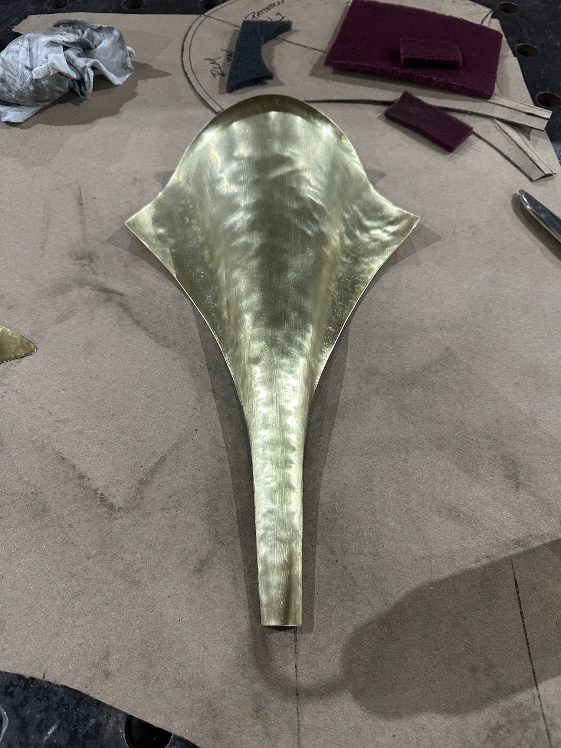
Every Stingray fixture begins as sheet brass.
Each form is individually forged, shaped, and refined by hand. The subtle hammer marks and flowing transitions aren’t imperfections—they’re evidence of the maker’s hand.
No two pieces are exactly alike.
As light moves across the forged surface, it reveals changing reflections and texture that machine-made forms simply cannot reproduce.
Introducing the Stingray Collection
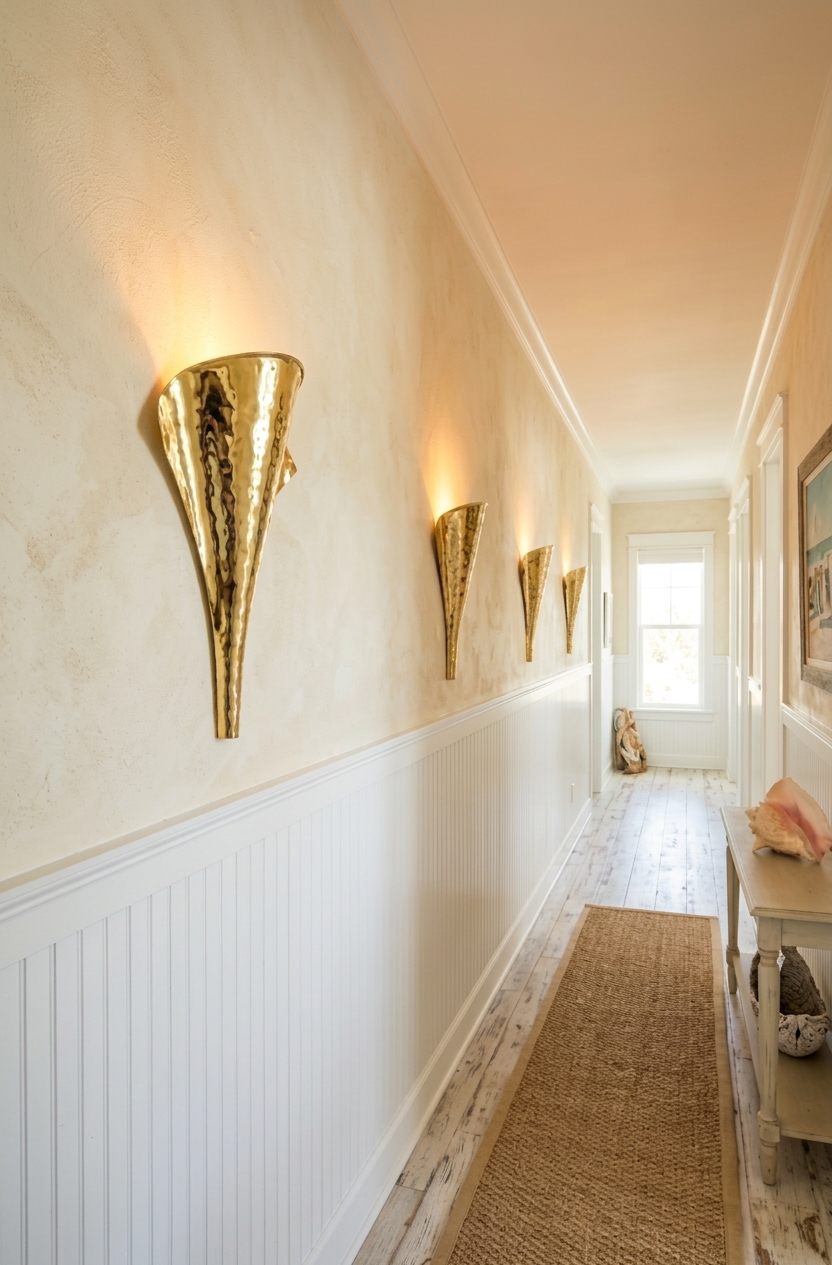
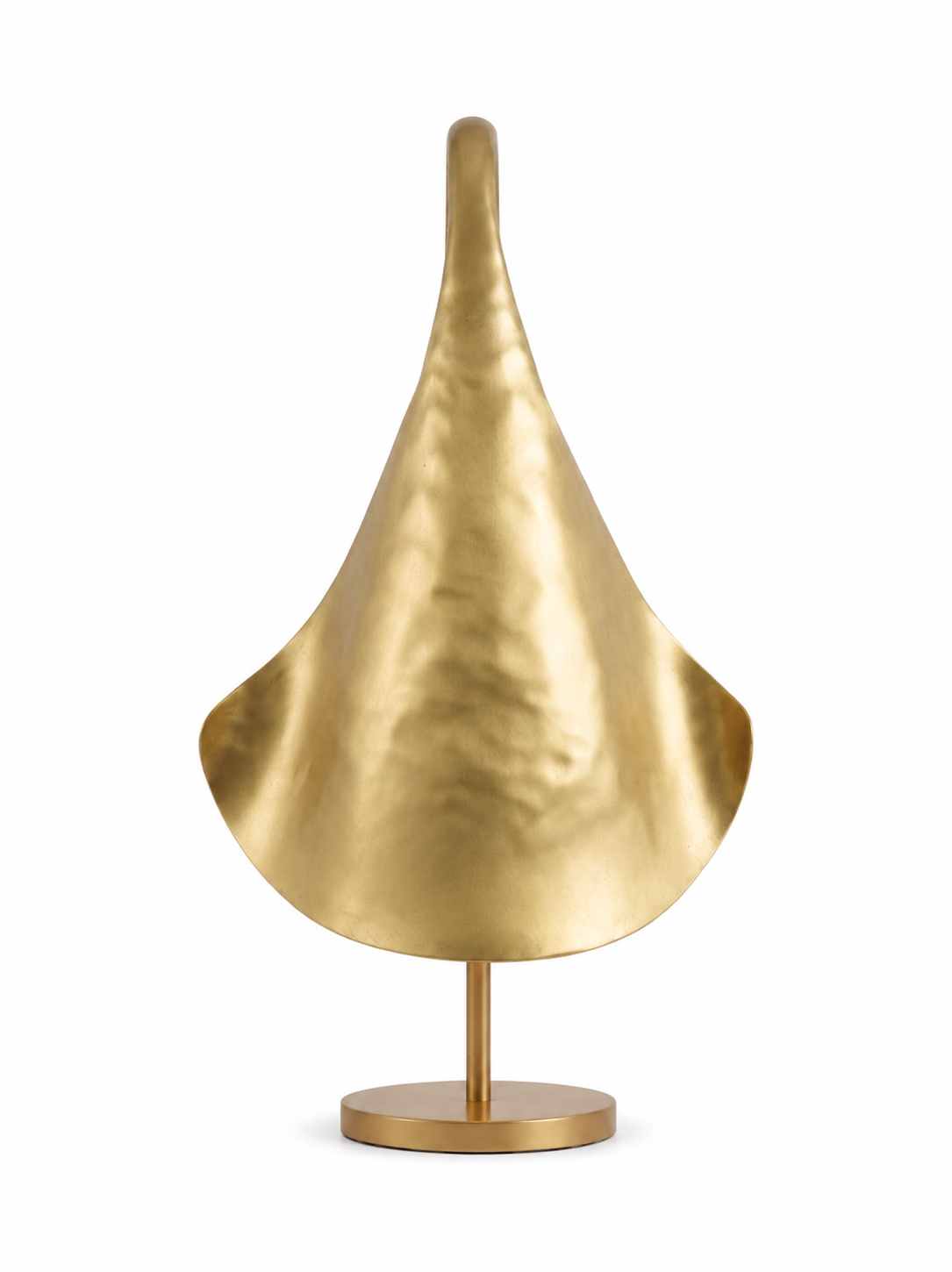
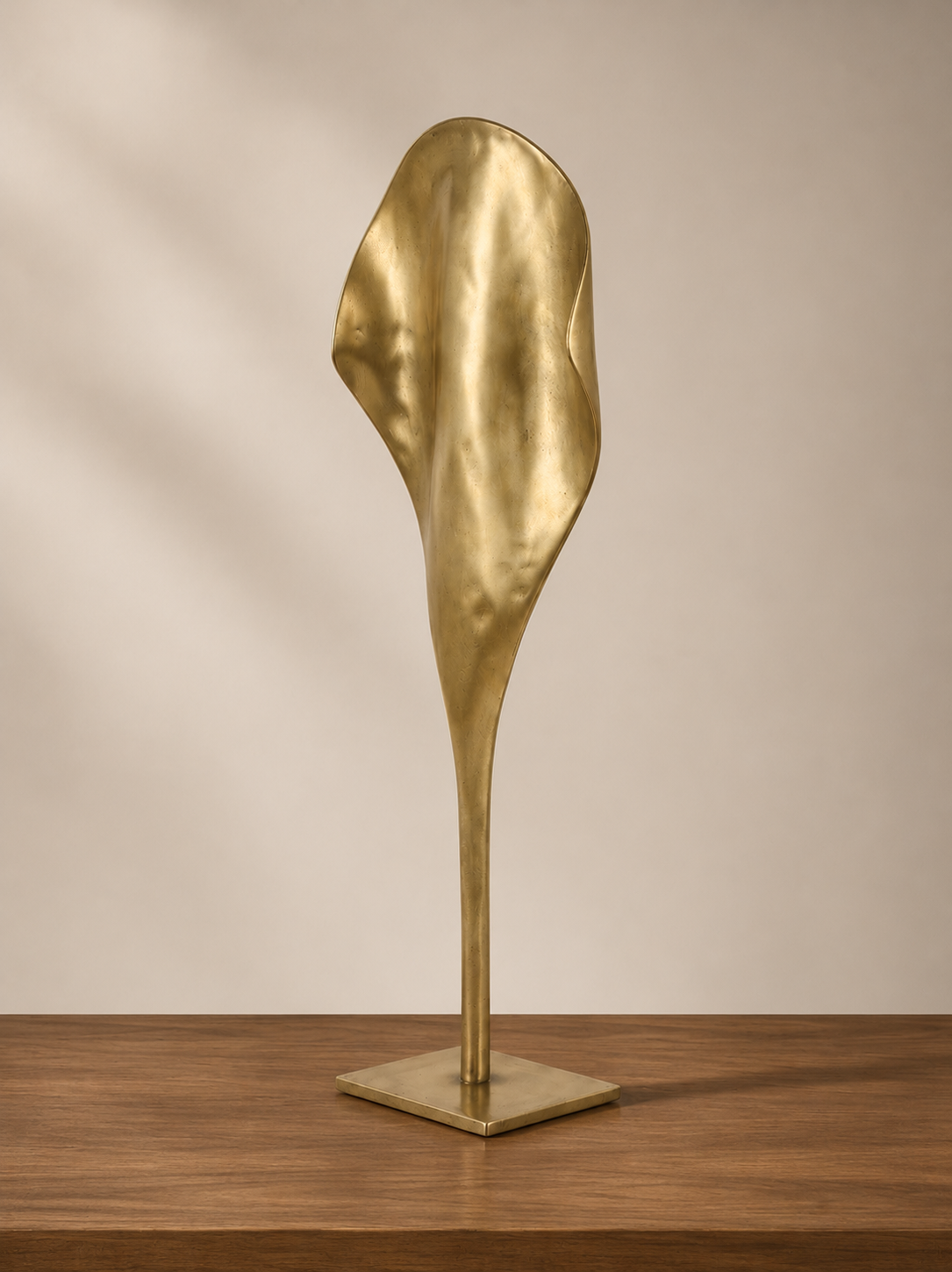
The debut collection includes sculptural pieces designed to bring Robert’s iconic form into the built environment:
- Pendant Lighting
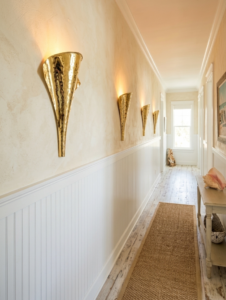
- Wall Sconces
- Floor Lamps
- Table Lamps
- Sculptural Installations
Each fixture celebrates the same elegant silhouette that first appeared as jewelry over forty years ago, now reimagined at an architectural scale.
More Than a Collaboration
The Stingray Collection is more than a new product line. It represents the meeting of two studios that have spent decades exploring the expressive possibilities of metal.
Robert Lee Morris transformed sheet metal into wearable sculpture.
Ironware transforms forged metal into architecture.
Together, we’ve created a collection that lives somewhere between art object and functional light—pieces designed to be experienced as sculpture by day and illuminated works of art by night.
Discover the Stingray Collection
The Stingray Collection is the first release in an ongoing collaboration between Ironware and Robert Lee Morris, celebrating handcrafted metalwork, timeless design, and the enduring beauty of sculptural form.