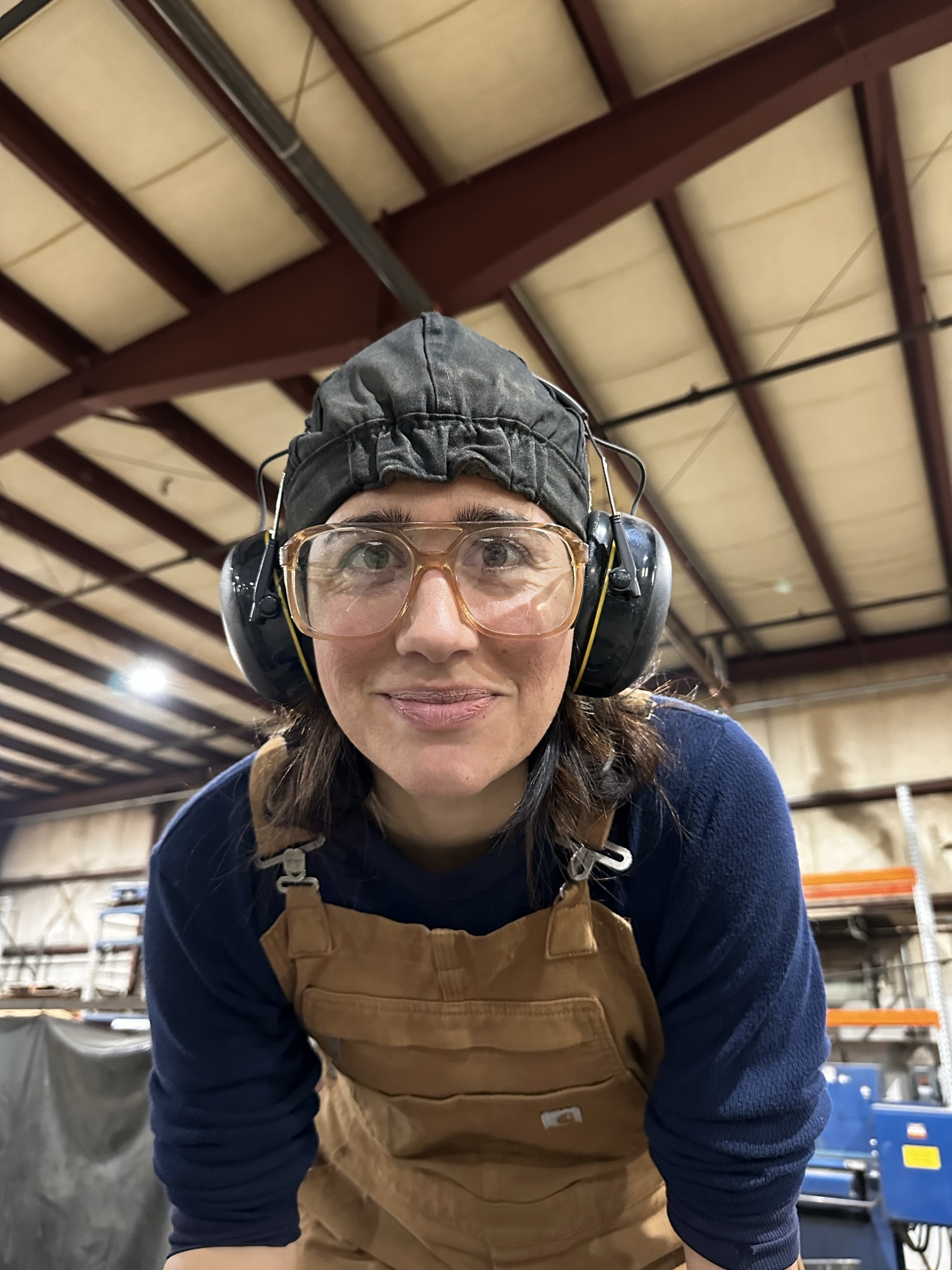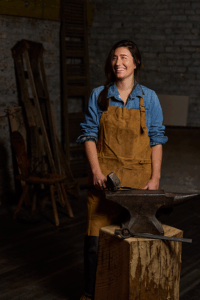
About Matt Olseng, Co-owner

At the Right Hand of the Father
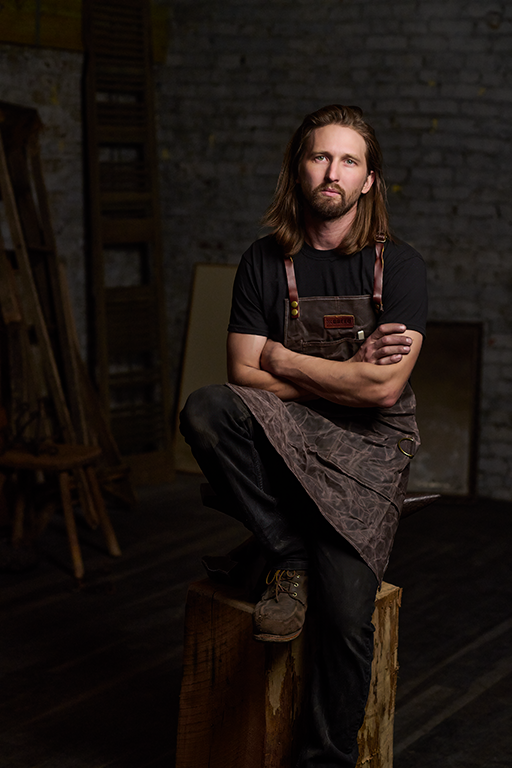
I began my journey with tools in hand and awe in my eyes. At the age of seven, my father, a home builder, woke me early one morning and said, “You’re coming to work with me today.” To a young boy, that was nothing short of a summons to adventure. My father was my hero, and I eagerly leapt out of bed with a simple, “Okay!”

This particular project was special—it was the first home my father was building for his own family. From foundation to roof, I watched in wonder as he shaped our future home with skill, precision, and a quiet, commanding presence. I spent the day by his side, probably more a hindrance than a help, but desperate to contribute. I swept floors, picked up nails one by one, and carried a tiny toolbelt holding an old hammer, a pencil, and a collection of bent nails I had rescued from the ground.

At one point my father asked me to carry a bunch of 2×4’s from one place to another. I began carrying them one at a time when my father said something I have never forgotten: “You can carry more than that, can’t you?” I nodded, and he replied, “You make sure you always carry as much as you can. Work isn’t easy, but when we work, we work hard.”
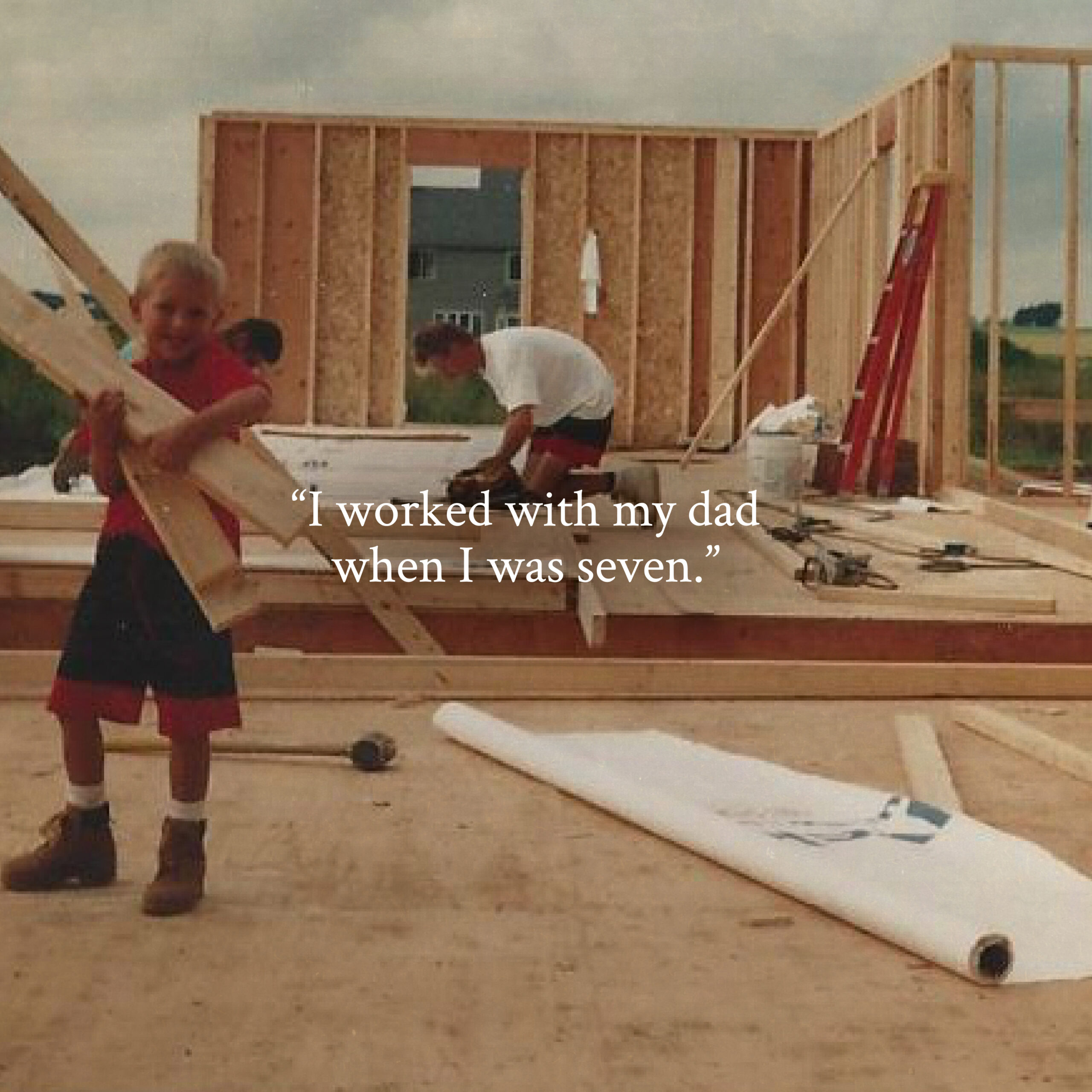
Those words broadened my little shoulders that day and planted the seed of a work ethic I have carried ever since, and shaped the way I approach every challenge in life and in craft.

Low Points Spark a New Interest

As a kid, motorcycles fascinated me. I lived for the competition, the speed, and the skill it demanded. Mistakes are punished racing motorcycles. In June 2002, on the weekend of my sixteenth birthday, that passion nearly ended when a mistake resulted in a shattered pelvis, leaving me unable to walk for months.

Stuck at home, unable to move around without crutches and reliant on my parents for even the simplest tasks, I searched for a new outlet. Television shows about metal fabrication and custom motorcycles caught my eye—builders welding, shaping, and creating. Watching them, I realized that I could channel my energy into a new skill: welding.

I bought a cheap welder from Home Depot and set it up in the garage. From the moment I started, I was hooked. Welding gave me a way to make things permanent, to transform raw steel into objects of utility and beauty. That summer, seated in a chair, I welded everything I could find. A new passion was born, one that would define the trajectory of my life.

My First Job

After a summer spent welding in the garage, I was ready to turn passion into practice. The school offered internships, and I decided to set up my own. I found a two-man fabrication shop, called the owner, and explained that I didn’t need pay—I simply wanted experience.

Two weeks before school started, fate intervened. The shop’s only employee quit, and the owner offered me a real job. That was my first “interview,” though no words were exchanged beyond a simple, “Do you want the job?” My answer was immediate: yes.

Diverse Work Breeds Versatility
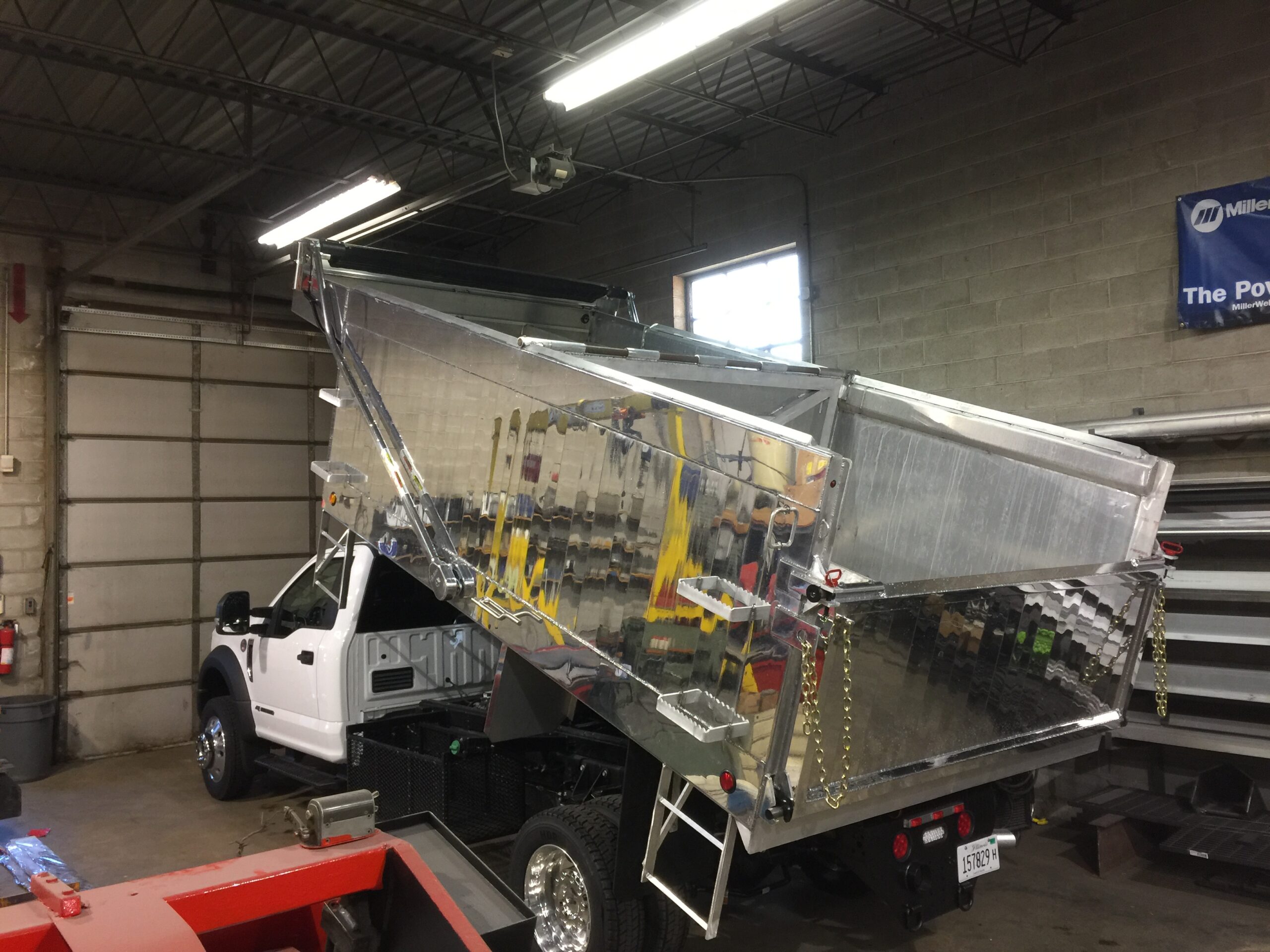
At that shop, no day was ever the same. I worked on heavy equipment, repaired machinery, fabricated parts for M1 Abrams tanks, prototyped rescue systems for the fire service, built steel structures and railings, and even welded a rocket launcher for safe demonstration. I fixed every type of broken office chair imaginable.

That shop taught me adaptability, problem-solving, and the courage to tackle the unknown. We pivoted from project to project daily, never knowing what the next challenge would be—but always confident that with focus and effort, we could figure it out. This versatility became the foundation of my craftsmanship and entrepreneurial journey. 

The Big Leap
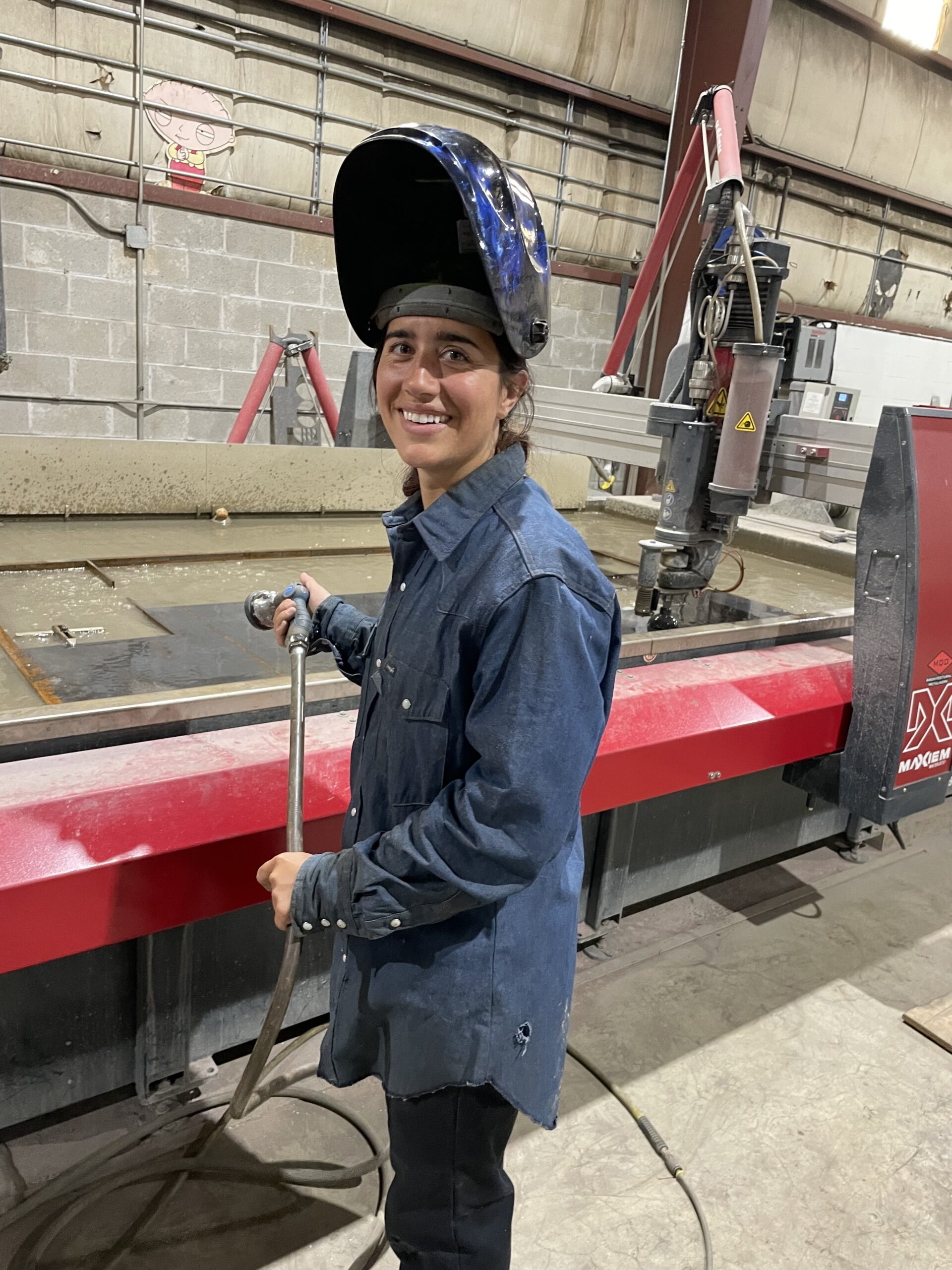
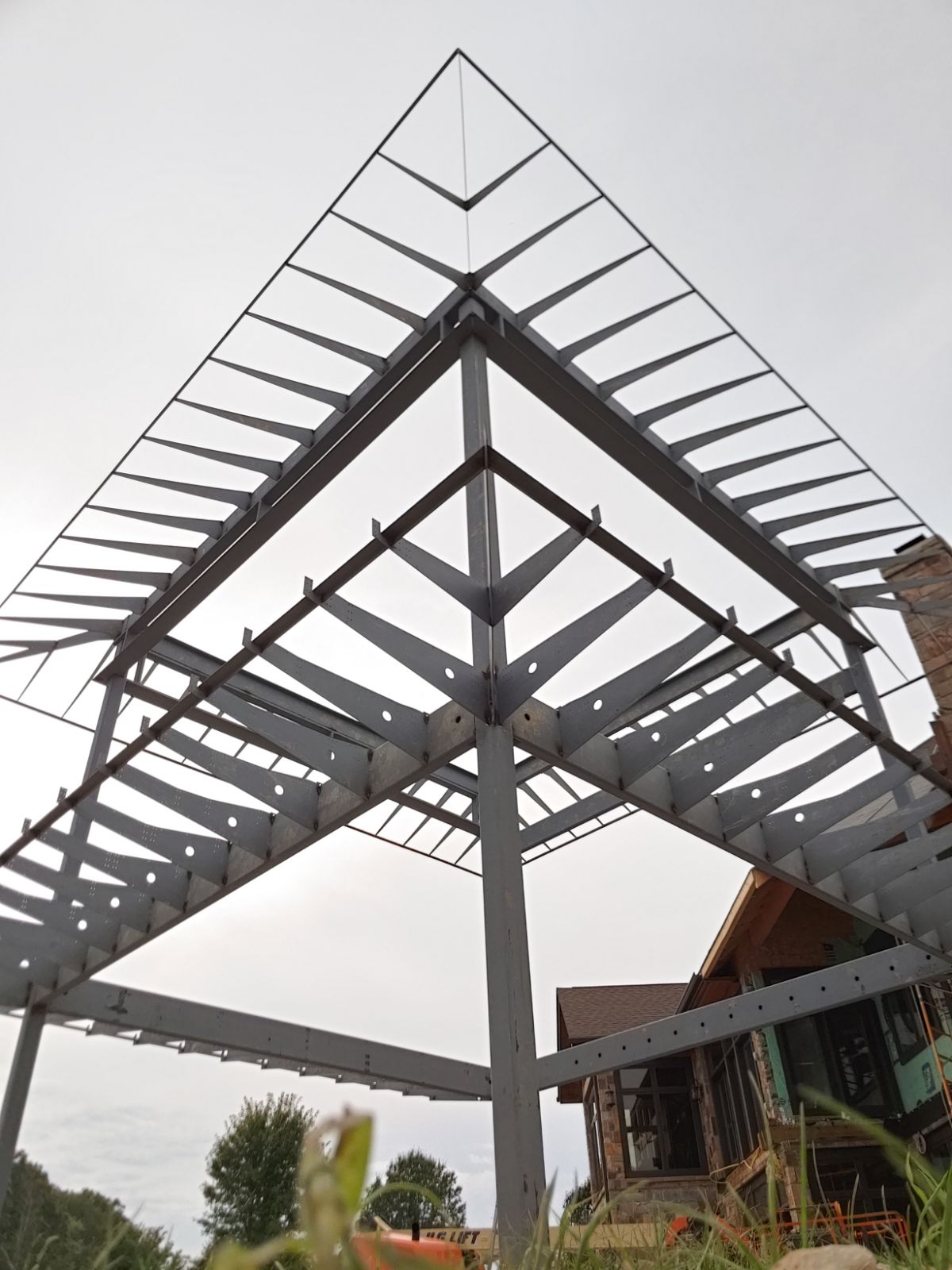
By the age of 22, I was ready to strike out on my own. After six years of learning, sweating, and diversifying my fabrication skills, I rented a corner of a barn from a friend and set up my own shop. I brought the tools I had accumulated and continued doing work similar to what I had done before: fixing odd machines, making railings, and fabricating earth moving buckets.

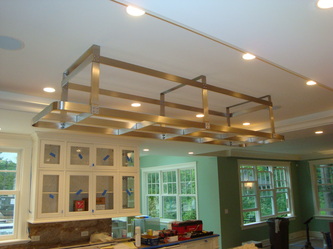
One day, an architect my father knew asked me to make a polished stainless steel pot rack. Though I had never made something quite like it, I accepted the challenge. The piece took time and experimentation, but the client loved it. That single commission opened doors. Suddenly, people saw what I could create beyond repairs and industrial fabrication—they saw artistry, precision, and vision.


A Blacksmith Without an Anvil
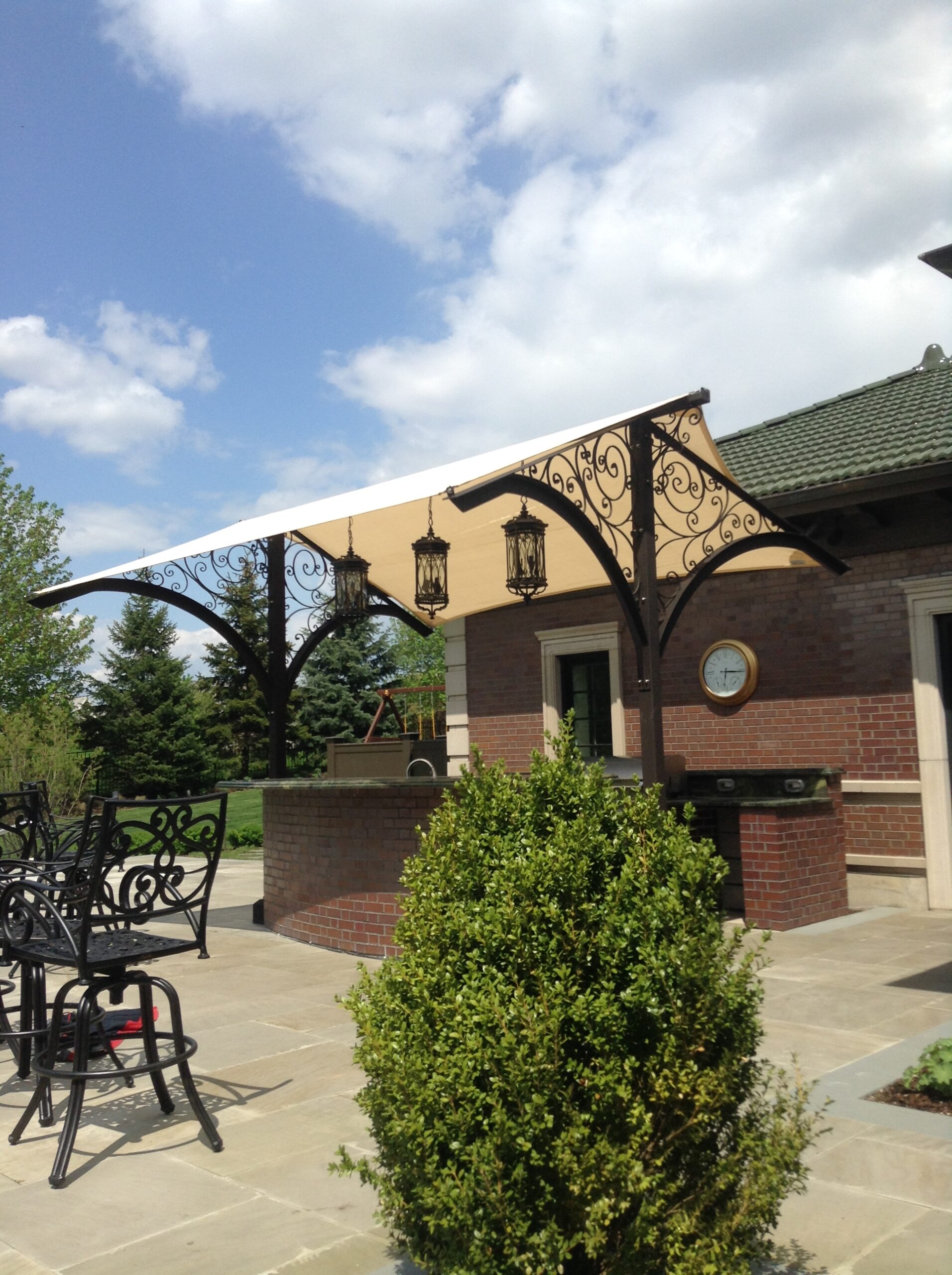
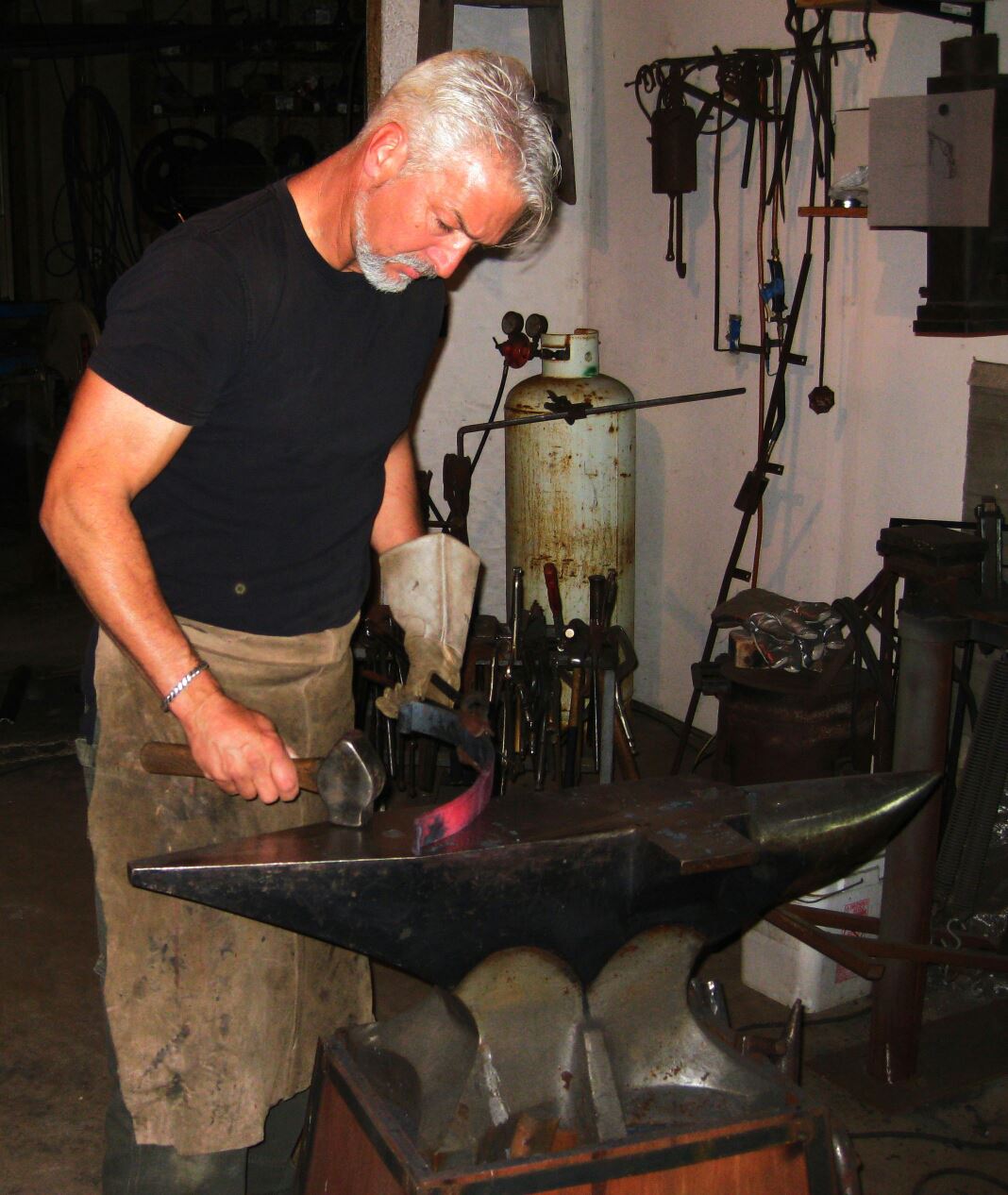
As my architectural work grew, I was presented with an opportunity to try forging. The same architect who hired me for the pot rack asked if I could create a French-inspired outdoor kitchen canopy. I agreed, even though I had no forge, no anvil, and minimal tools.

I improvised: a thick steel plate became my anvil, a ball pein hammer my tool, and a torch my forge. Hours of trial and error followed, learning how to shape flowing scrolls and fishtail ends, coaxing motion and fluidity from the metal. In the end, the client was thrilled, and I had discovered blacksmithing—a skill that would define my career.

The Flood

After that first forging project, opportunities multiplied. Word of my work spread through builders, designers, and architects. I joined NOMMA (National Ornamental & Miscellaneous Metals Association), entering design competitions that judged craftsmanship nationwide. It was also in this organization that I met Kara. 

My first entry—that French canopy—won a silver medal, igniting that competitive fire within me. Just as racing once did. Over the next five years, my shop won 13 awards, culminating in the Mitch Heitler Award for Excellence for a forged copper-nickel railing. That project, unusual in material and form, exemplified my signature style: modern work that looks like an heirloom on day one.
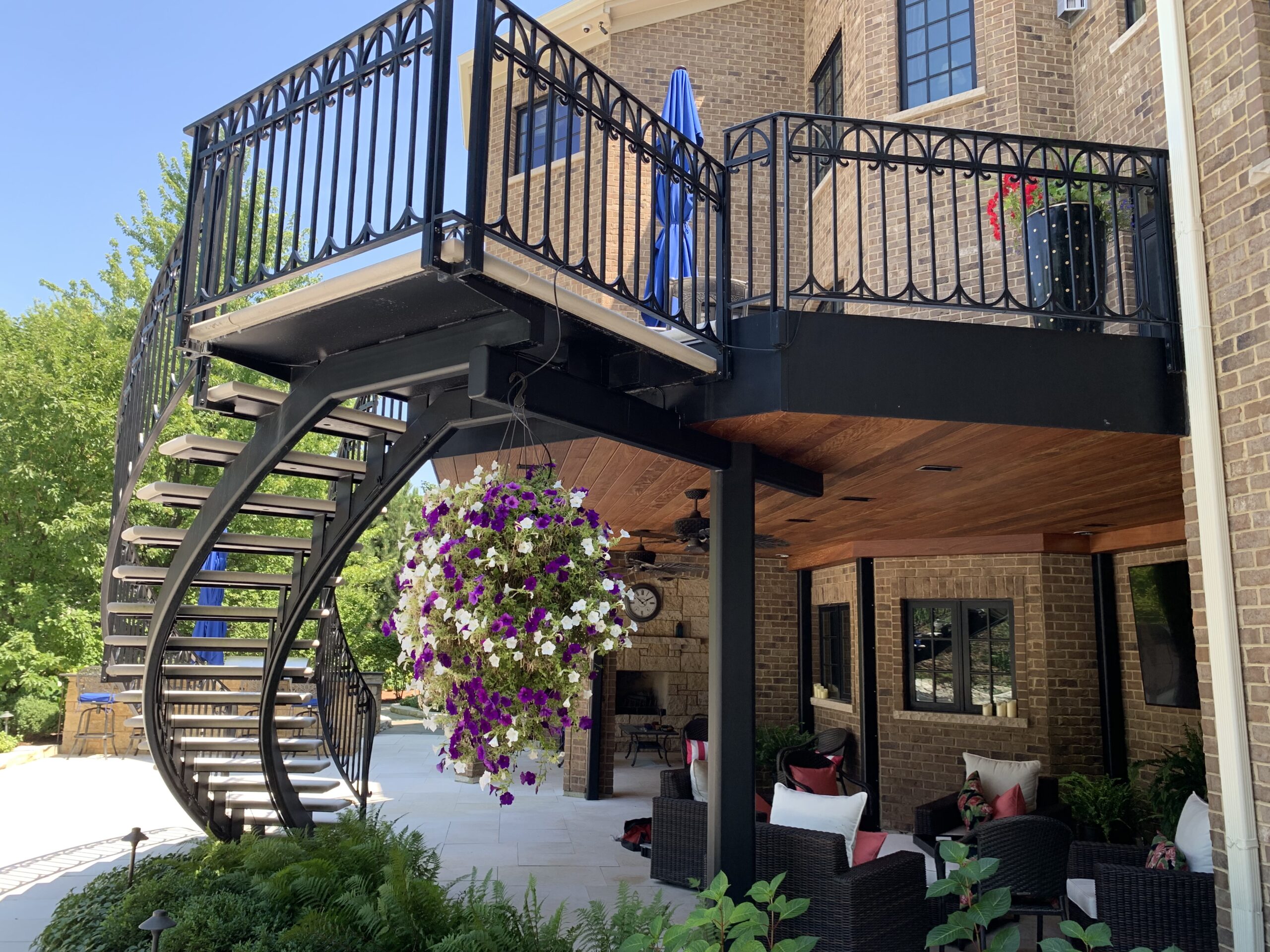
Through it all, the pattern remained: I often accepted projects with no prior knowledge, relying on problem-solving, determination, and a willingness to learn.

Ironware Calls

In the spring of 2020, I had just purchased a building and added sophisticated machinery to my operation—preparing to scale up when the pandemic struck. Amid uncertainty, in 2021, I received an email from Karin Eaton, owner of Ironware International, a luxury lighting company in Nashville. COVID significantly disrupted the trading relationship with their French manufacturer. As a result,  she was seeking a U.S.-based blacksmith capable of executing the full range of their products.
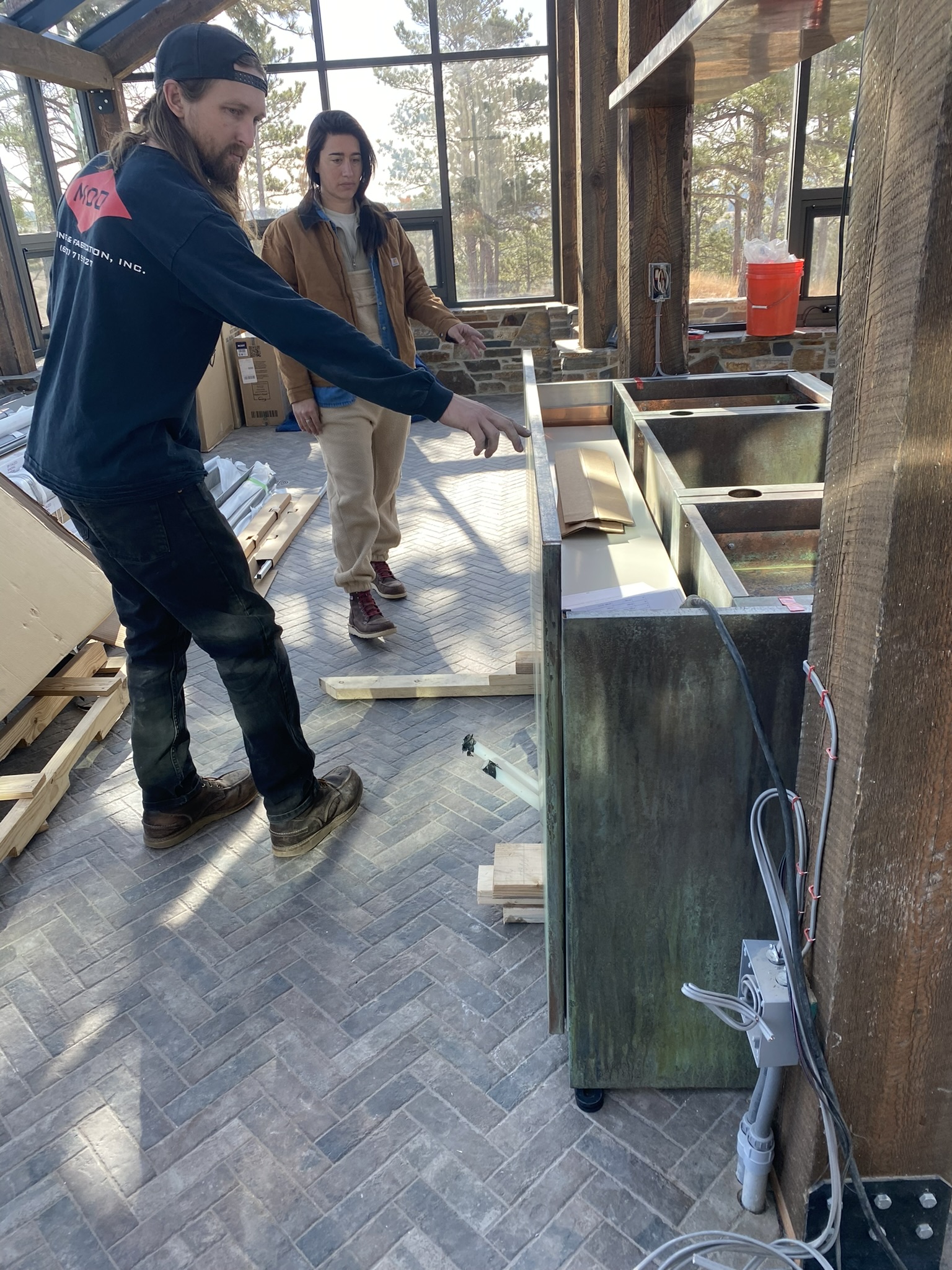
At this point kara had purchased her father’s company SCF, and our companies frequently worked together. MDO assisted SCF to branch out into some more architecturally focused projects. It was on site at one of those projects that Kara and I met Karin Eaton, the founder of Ironware International. 

Through mutual NOMMA connections, I was referred to Karin, as someone that would take on her project and help solve her dilemma.  I met Karin in person in southern Indiana while working on a structure installation with Kara. We saw the beauty and skill of her pieces firsthand, and an agreement was reached: MDO would manufacture Ironware’s products domestically.

Evolution in Process

For the next two years, we learned to reproduce Ironware’s entire product line with no drawings or tooling from the French manufacturer. Using photographs, skill, and experience, we rebuilt processes from scratch. Mistakes were inevitable, but through trial and careful refinement, we developed a system that preserved the handmade quality while improving efficiency and repeatability.

The process was laborious, demanding, and intensely satisfying. Every day, we reinforced our philosophy: honoring traditional craftsmanship while embracing innovation where it serves the work, never at the cost of the handmade soul of the pieces.

The Opportunity Arises

After two years of successful collaboration, Karin was ready to retire and sell Ironware after 36 years at the helm. Kara and I faced a life-changing opportunity: to own a company dedicated to handcrafted furniture and lighting—our shared dream realized.

Though the company was in another state, and our lives were already full, every step of our past had prepared us. My father’s lesson to “carry as much as you can” echoed through every decision, reminding us that hard work, perseverance, and courage could turn possibility into reality.

In September 2023, we purchased Ironware. Since then, we have poured our energy, vision, and passion into shaping the company into a reflection of our craft, values, and dedication to making work that combines beauty, utility, and soul.

The Future

Our vision for Ironware is simple yet profound: to honor the timeless craft of blacksmithing while creating pieces that are meaningful, functional, and heirloom-worthy from day one. We continue to refine processes, embrace challenges, and mentor the next generation of artisans.

Ironware is more than a company; it is a platform to celebrate creativity, skill, and passion. Every forged scroll, every polished surface, and every meticulously crafted piece tells a story—our story, intertwined with the legacy of those who taught us, inspired us, and trusted us to carry their vision forward.

We work hard, carry all we can, and strive to create functional art that will endure, inspire, and captivate for generations to come.
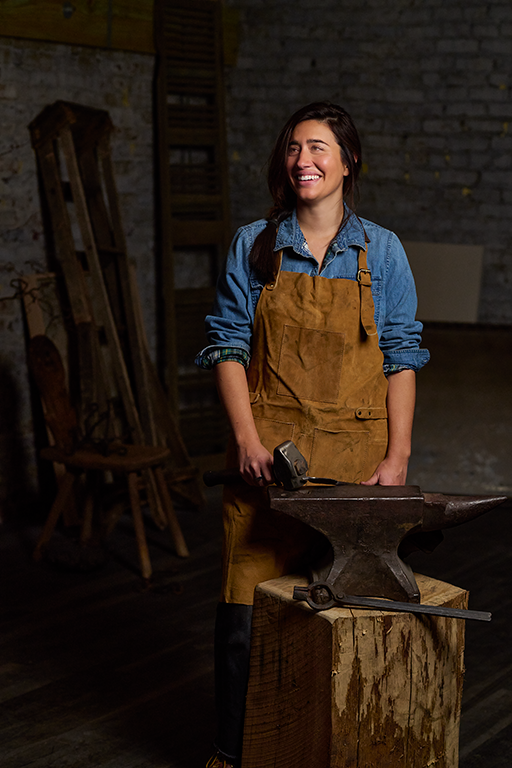
About Kara Jerden, Co-owner

The spark that changed everything

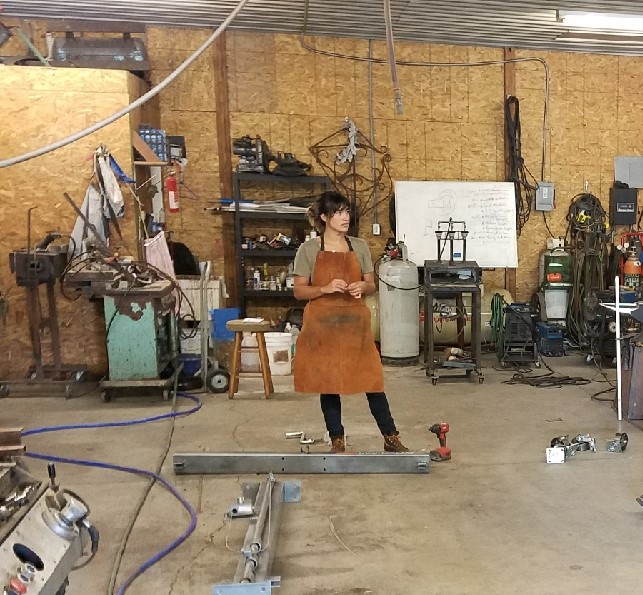
I’ve always made the final tipping point of all major life decisions based on a question: “Would this make a good story for my grandkids one day?” That single question has gotten me into more peculiar, fantastical, cringe-worthy, delightful, and utterly stupid situations than I could begin to tell you about.

In part, I think I got that spontaneous, live-life-large-and-by-the-seat-of-your-pants mentality from growing up around my dad’s best friend, Jimmy Caldwell. Jimmy was extreme in every way—particularly the entertaining ones. He was an adrenaline junkie with a creative streak wider than the Columbia River Gorge where he disappeared one night kayaking in the moonlight. But what really shaped me was watching how Jimmy treated rules like polite suggestions and failures like punchlines to better stories. He could build anything from a zipline though the woods to a crazy wood and steel spiral staircase and he’d jump from blacksmithing to leatherworking, letting each medium inform the others in ways that made his work impossible to categorize. To him, creativity wasn’t about mastering one thing—it was about playing with everything until something magical emerged.

After his funeral, I found myself in his blacksmith shop, nursing beers and grief in equal measure. That’s when something magical happened. As I watched the hot metal move with every blow of the hammer, I became transfixed by the raw possibility of it all—the ability to move metal into any shape the mind could imagine. Jimmy’s ghost was practically laughing at me, knowing I’d caught the bug.

The 8-hour gamble

Bryan turned out to be cut from the same cloth as Jimmy—a motorcycle-riding rocker who could jump on stage with any rock band or sit down with a classical Spanish guitar and make you forget where you were. He had that same devil-may-care attitude where failures were just stepping stones to better stories, never something to dwell on. Looking back, I think I might have hoodwinked the poor guy with pure enthusiasm alone—because somehow, I walked away with an apprenticeship offer.

It’s that same “rules are suggestions” philosophy that drives how we approach Ironware today. When clients bring us ideas that seem impossible or projects that don’t fit neatly into traditional categories, we don’t see obstacles—we see the beginning of a story worth telling.

Building the foundation

I picked up my life and moved to learn the craft properly. For two years, I built rails, gates, and all sorts of odds and ends alongside Bryan, soaking up everything I could about working with metal. When the apprenticeship wrapped up, I landed at SCF—a structural steel fabrication shop that, in one of life’s beautiful ironies, I now own. Those early days were all about mastering the basics of fabrication.

The mountain interlude and Colorado discovery

Like any good story, mine needed a detour through Wyoming, where I spent time tinkering in the mountains on my own. Eventually, I made my way to Colorado and Living Design Studio—a well-known architectural fabricator that completely blew open what I thought was possible.

This is where I learned that “good enough” isn’t enough when you’re working with high-end, high-dollar clients who expect perfection. Every project stretched me in different directions—wire mesh-wrapped canopies for hotel lobby bars, massive steel fireplace surrounds, intricate forged railings—and each one demanded a completely different skill set and material knowledge. The work incorporated wood, glass, various metals, and finishes I’d never touched before. I loved always feeling challenged, always being pushed to deliver flawless quality no matter how complex the brief.

That relentless standard of excellence? It’s non-negotiable at Ironware. Every piece we create has to pass the grandkids test—will this be something worth talking about in 50 years? If the answer is anything less than an enthusiastic yes, we go back to the forge.

The accidental Vegas chapter

Las Vegas wasn’t exactly in my five-year plan, but sometimes life has other ideas. I “accidentally” opened a fabrication shop there after a friend of a friend discovered I was a certified welder. The slew of restaurants his company owned kept bringing me work, and before I knew it, I was running my own operation in the desert.

Coming to build

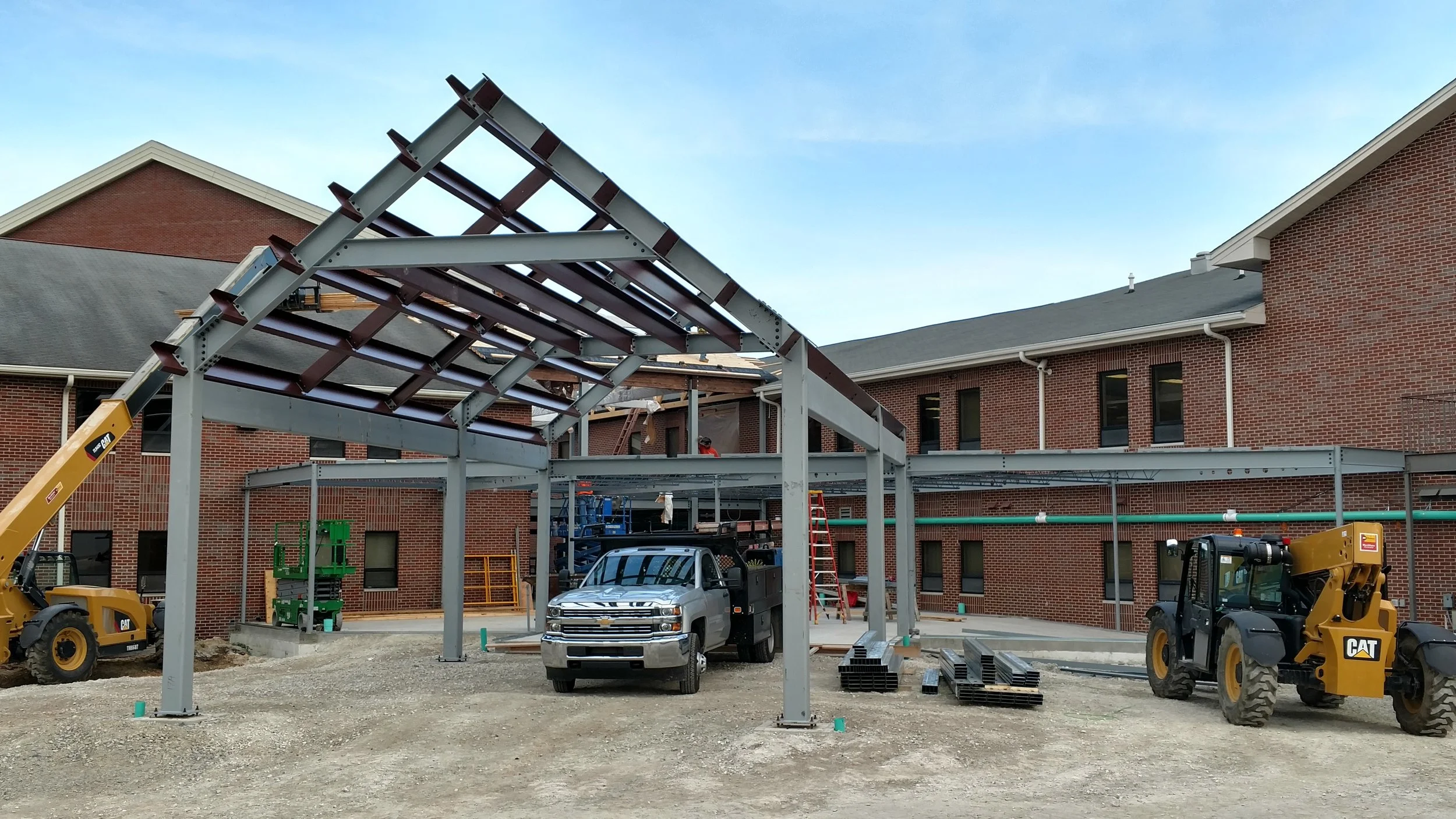
Eventually, I moved back to Indiana to work at my father’s structural steel shop—the same SCF where I’d learned the basics years earlier. Initially, I thought I’d hate the business side of things. Instead, I discovered something unexpected: the deep satisfaction of building structures that literally changed the landscape of the area where I grew up.

By 2019, I’d bought the company from my dad and found myself loving every project and every partnership involved in making it happen. But something was missing—that no-holds-barred creative outlet that had first captured me in Jimmy’s shop. I was building buildings, but I wasn’t experimenting, playing, or pushing boundaries the way Jimmy and Bryan had taught me to.


The Chicago connection

That’s when I partnered with MDO, a fabricator in Chicago, stretching SCF into more unusual, design-focused projects. I’d regularly travel there to forge with Matt, chasing that creative high I’d been missing. During one of these collaborations in summer 2021, Matt mentioned a brand called Ironware that had approached him about manufacturing their pieces.

Enter Ironware

Matt and I were working on an SCF-MDO partnership project—installing a complex, beautiful structure in southern Indiana—when Karin, Ironware’s previous owner, drove up to meet him at our job site. Given my blacksmithing background, I got pulled into that first conversation.

Karin later told us she was blown away that just the two of us were handling the installation of something so intricate. She could see right away that we weren’t the type to back down from a challenge, that we had both the passion and the technical chops to push Ironware beyond where it had already been. Life has a way of bringing things full circle, and two years later, when she was ready to retire and looking for someone to carry on Ironware’s nearly four-decade legacy of handcrafted, heirloom-quality pieces, I faced an impossible choice.

The intoxicating fear

I was already stretched thin, juggling way more than any sane person should attempt. (Ask any of my exes—the first descriptors anyone would use about me would decidedly NOT boast of my merits of sanity.) The rational part of my brain was screaming that this was insanity wrapped in a business proposal.

But that pull—that gravitational force toward being part of something legendary, toward having endless ability to create anything that crawled out of the dark corners of imagination—it was stronger than morphine and twice as dangerous. The fear of failure felt tiny compared to the terror of wondering “what if” for the rest of my life.

Here’s what I know

The same restless creativity that drove Jimmy to experiment across mediums, that made Bryan fearless in his craft, that pulled me from Wyoming to Colorado to Vegas and back home—that’s what Ironware deserves. Not someone who’ll keep things safe and stagnant, but someone who’ll ask, “what if we tried this?” and “how can we make this even better?”

And here’s what makes this transition different from most business acquisitions: the entire Ironware team made the journey with us. We’re talking hundreds of years of combined experience—our general manager alone has been working with Ironware pieces for over 30 years. This isn’t a restart; it’s an evolution. We’re taking one of the world’s oldest known crafts and bringing it fearlessly into the 21st century, built on the foundation of nearly four decades of Ironware’s proven excellence.

We won’t be boxed in by what fireplace tools or multi-tier chandeliers are “supposed” to look like. That playful exploration my mentors taught me—letting different artistic interests bleed into the metalwork, treating each failure as research for the next experiment—that’s where Ironware is headed. The incredible tradition of blacksmithing craftsmanship around the world? We’re building on that, expanding it, pushing it further. Who knows where that curiosity will take us? But I guarantee it’ll be worth documenting.

Sometimes the best decisions are the ones that scare you so badly you can taste your own heartbeat. And sometimes, if you’re really lucky, the ghost of an old friend and fellow thrill seeker might nudge you toward the forge and leave your ears ringing with the question: “How about this story for the grandkids?”

When you work with Ironware, you’re not just buying a piece of metal—you’re commissioning a story. One backed by nearly 40 years of proven craftsmanship and a team whose collective expertise spans generations. One that your grandkids will fight over inheriting. One that makes guests stop mid-conversation to ask, “Where did you get that?” One that represents the same devil-may-care creativity and uncompromising quality that’s been passed down through generations of makers who refused to play it safe.
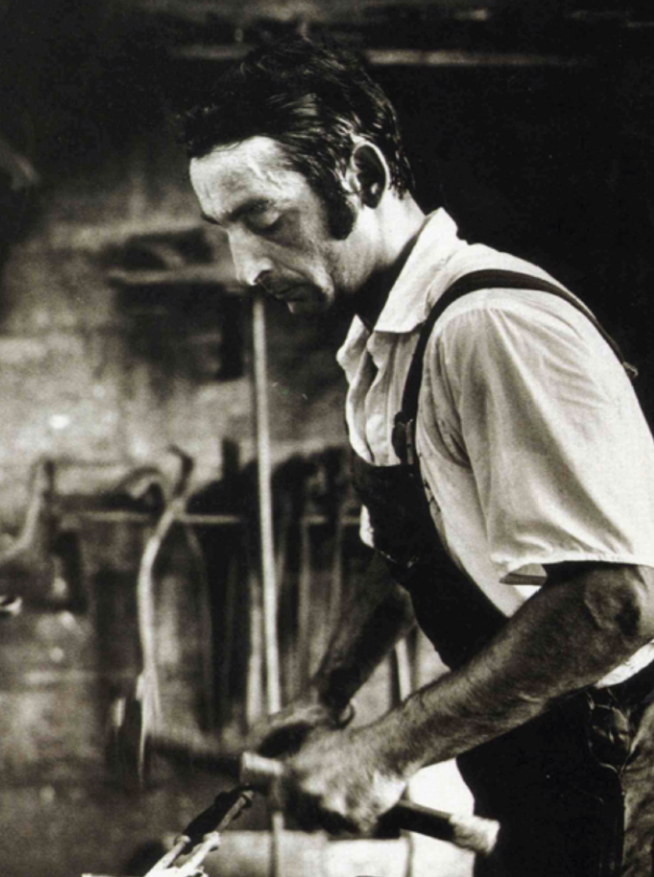
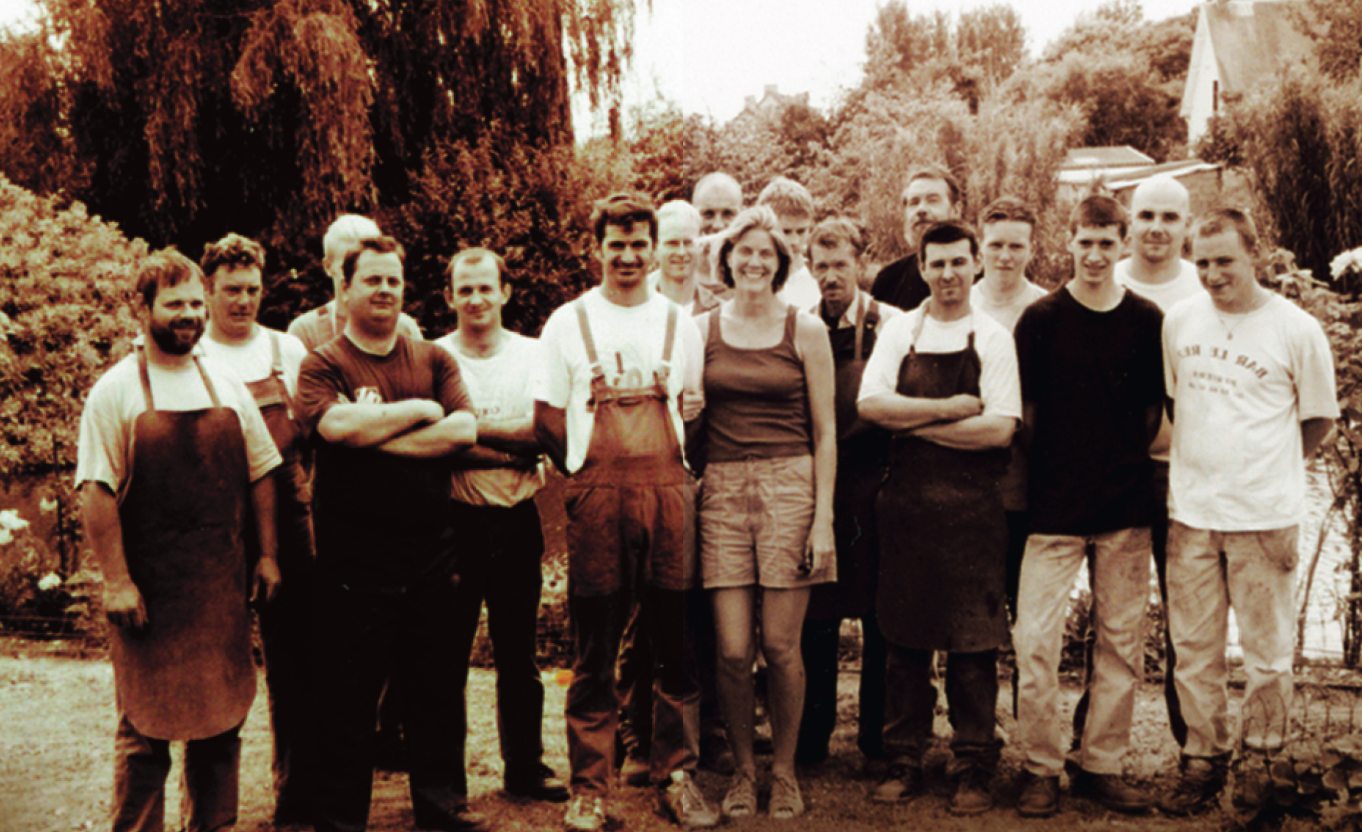
We’re not going anywhere. We’re the people who don’t back down from complex installations, who answer the phone ourselves, and who’ve surrounded ourselves with master craftspeople who’ve been perfecting this art for decades. We’re taking ancient craft into the future, one fearless project at a time.

So when you’re ready to create something that’ll make your own grandkids stop and stare, you know where to find us. Just be prepared to answer the question: “Will this make a good story?”

Ironware’s Beginning


A fruitful trip to Normandy, France

“You simply couldn’t find French antiques in Tennessee back in the eighties,” says Karin Eaton.  It was 1985 in France ,during the scouting trip, Eaton, a former fashion-model-turned antiques- buyer,  discovered Pierre Picard’s hand-forged iron pieces and was immediately captivated.  “I suddenly saw a gorgeous jumble of hand-forged iron – tables, chairs, candelabras – and I felt like I was shot through the heart“.  

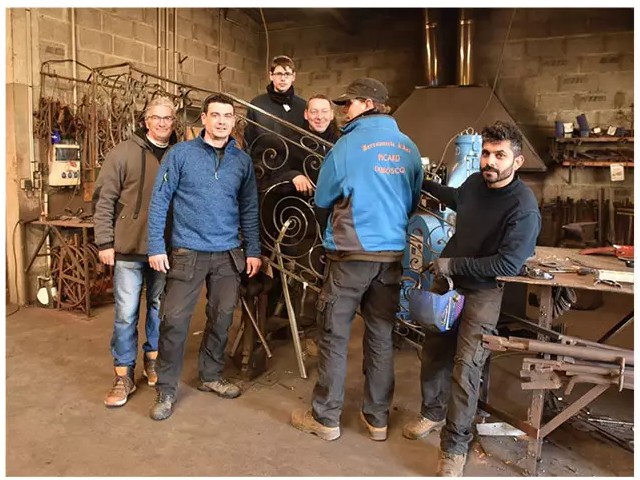
Picard, French “Maître Artisan”,  had established his atelier in a small village in Normandy in 1966.  Along with decorative pieces for the home, he also excelled at restoration work on historic landmarks, with work ranging from refashioning a double stairway for the Casino in Deauville to a 17th-century gate at his village’s 16th-century church. Eaton, fluent in French, spent a few hours with Picard and his wife, selecting pieces to be sold in her family store in Nashville, Made in France.


From a prolific transatlantic collaboration…

By 1988, Eaton recognized the potential of Picard’s work and founded Ironware International to distribute his pieces across the U.S. “I was very fortunate to glean the principles of iron design from Monsieur Picard,” says Eaton. By 1991, Eaton began designing pieces for Picard to create, drawing inspiration from design trends and celebrating the exceptional skills of the artisans in Normandy. Her sketches were then drawn to scale, prototyped by Picard, and finished by artisans in the Ironware Nashville studio to adapt them for American homes and businesses. 

Ironware International operated in 18 showrooms nationwide, fostering a transatlantic relationship between the two businesses and their clients. Each piece was handmade, the collection of nearly 600 items drew inspiration from European artists and designers, such as the Fleming andirons, which evoke Matisse, or the Diego beds and tables, inspired by and named after Diego Giacometti.

After Picard retired in 2004, Picard’s son-in-law, Thierry Duboscq, took over the forge. Today Duboscq’s son and daughter, David and Mathilde, the third generation of the Ferronnerie Picard-Duboscq, continue the tradition of using ancient blacksmithing techniques for residential structures and restoration work on historic landmarks, such as the Chateau de Versailles, the Dior building and the Arc de Triumph for the 2024 Olympic games.

…to a creative domestic transformation.

In 2020, sourcing and distribution challenges during the pandemic led to the separation of the two companies after 30 years of collaboration. Eaton successfully found passionate and talented American blacksmiths who embraced the challenge in keeping the Ironware catalog of creations alive. Among them, Matt Olseng, along with his business partner and blacksmith Kara Jerden, became the owners of Ironware in 2023. (See more in About Us)


i

DESIGNER SPOTLIGHT: Robin Rains Interior Design

 
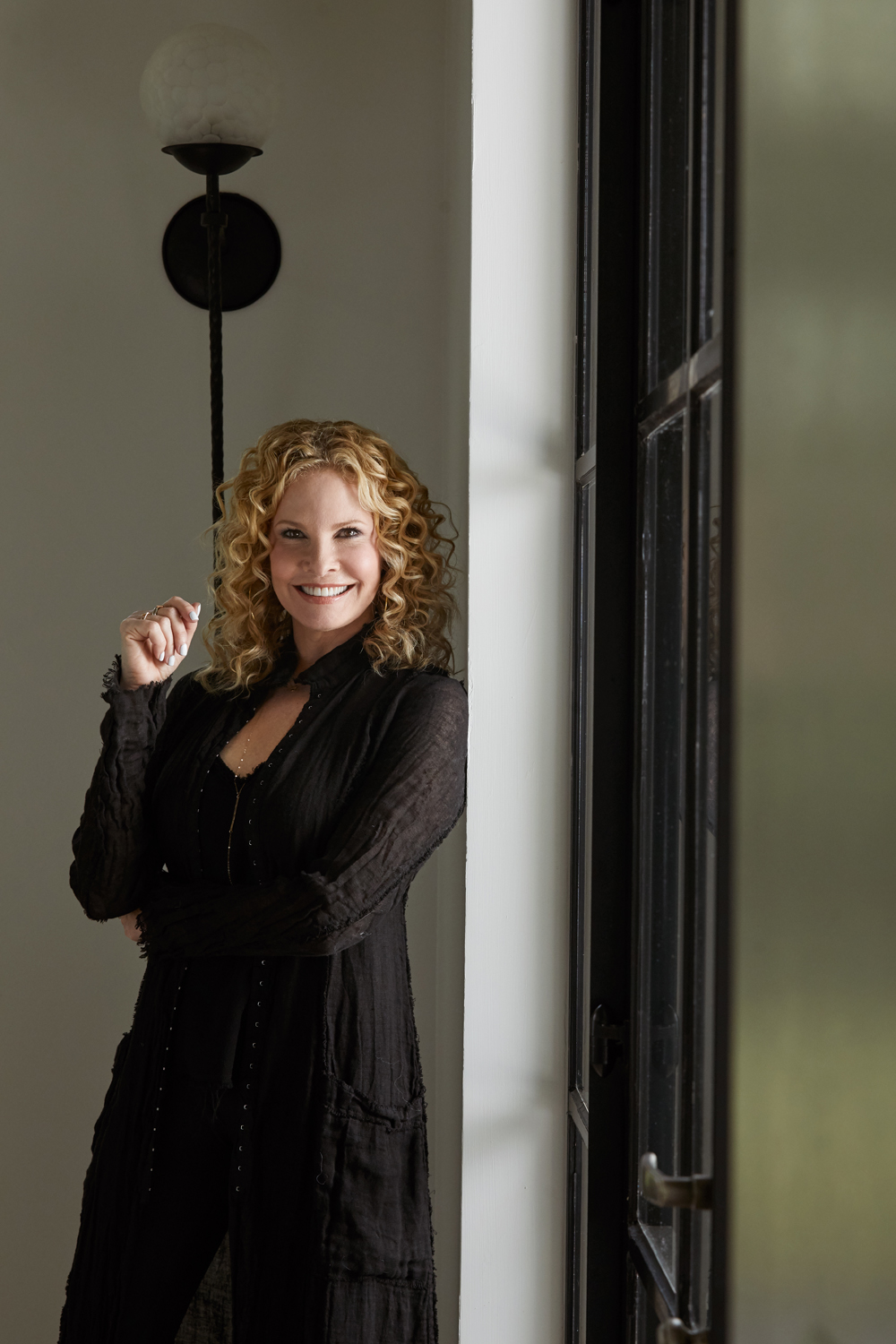
Robin Rains shown with our Adair Sconce. Photo by Austin Lord
If I had to think of one word to define Robin Rains it would have to be joyful. This woman simply radiates positive energy! I am always stunned by the variety of projects she takes on and her ability to accomplish them with creativity and grace.And, in addition to her full time design business, Robin has created a “to the trade” showroom in Nashville’s Design District filled with her unusual one of a kind European finds. It’s a treasure chest! Ironware is fortunate to count Robin as a long time client. So it is with great pleasure that we introduce Robin today on our Designer Spotlight.
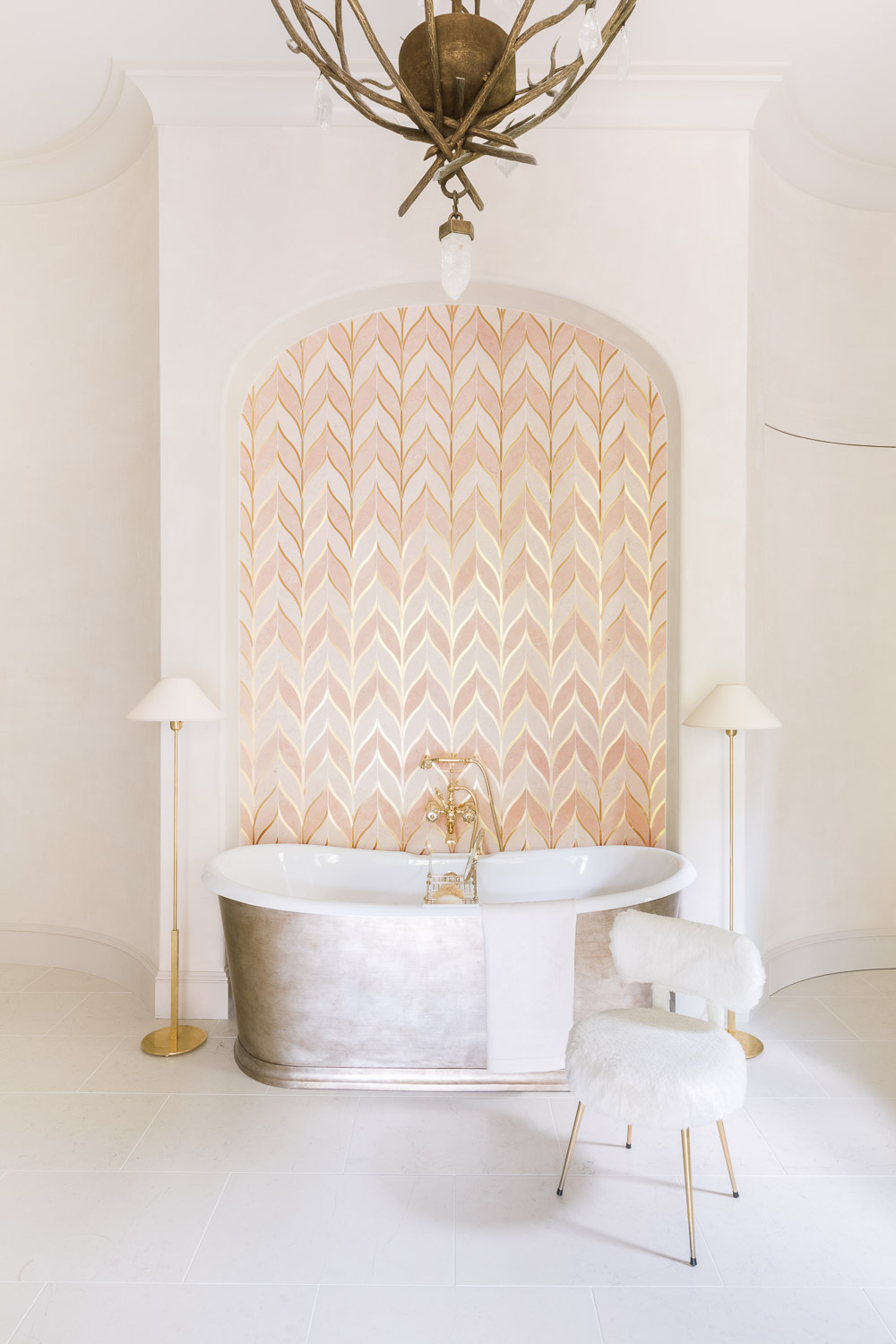
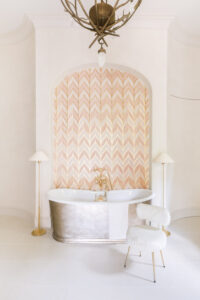
Master bathroom feature in Southern Home Magazine Mar/April 2020 with our Desiree Chandelier. Interior by Robin Rains Interior Design, photography by Alyssa Rosenheck.
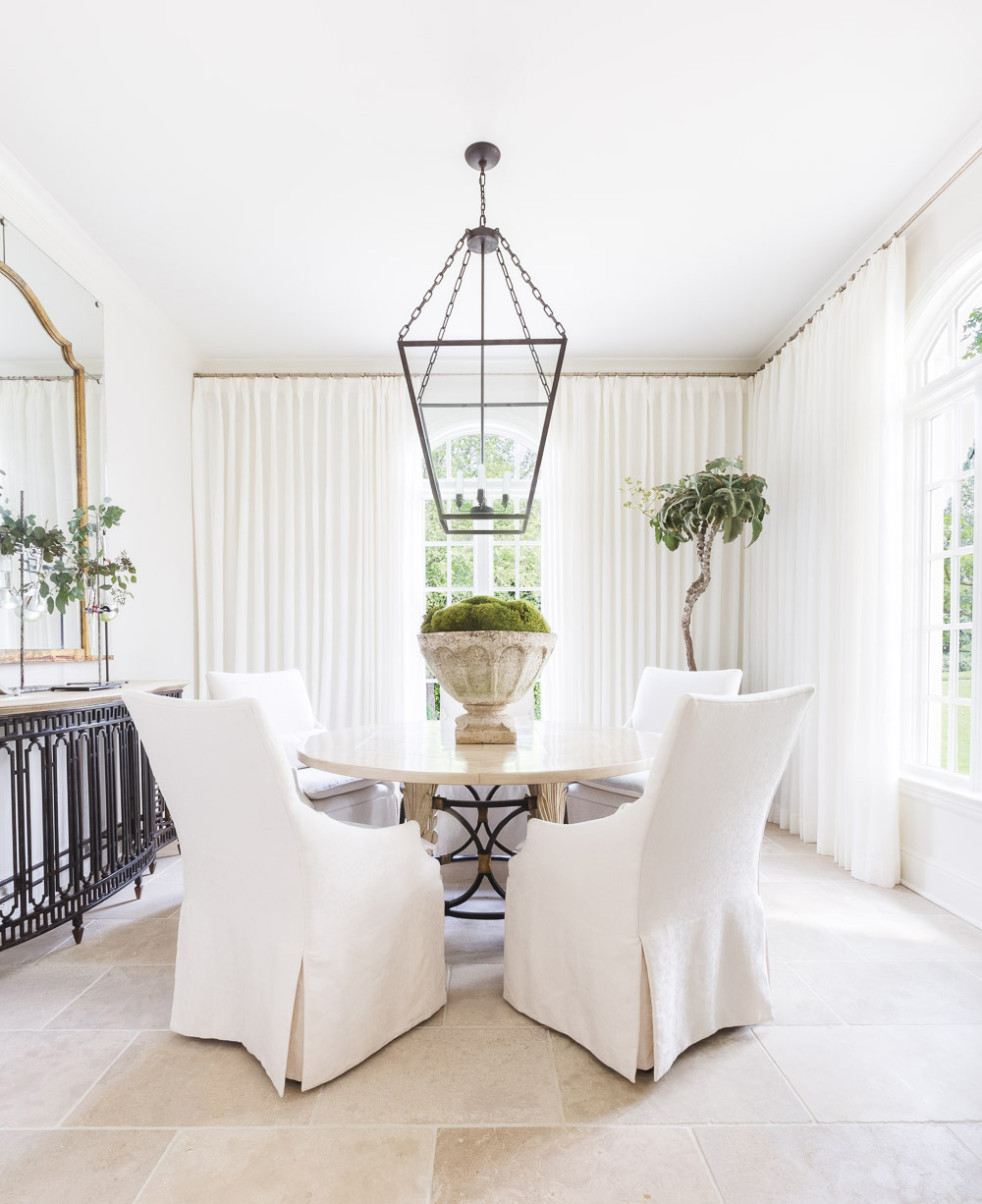
Southern Home Magazine with our Andie Lantern. Interior by Robin Rains, photography by Alyssa Rosenheck.
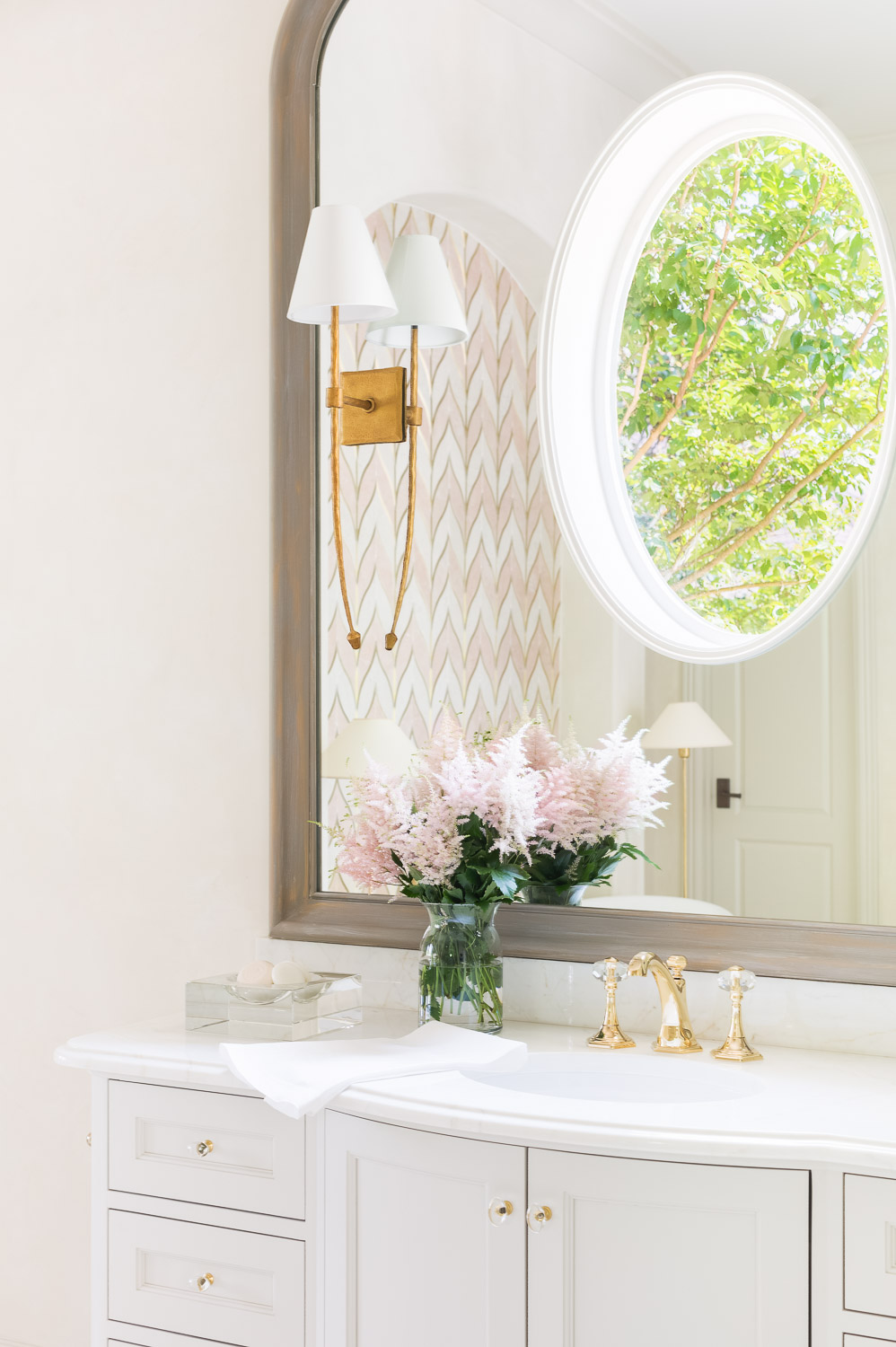
Nikki Sconce Interior by Robin Rains, photography by Alyssa Rosenheck.
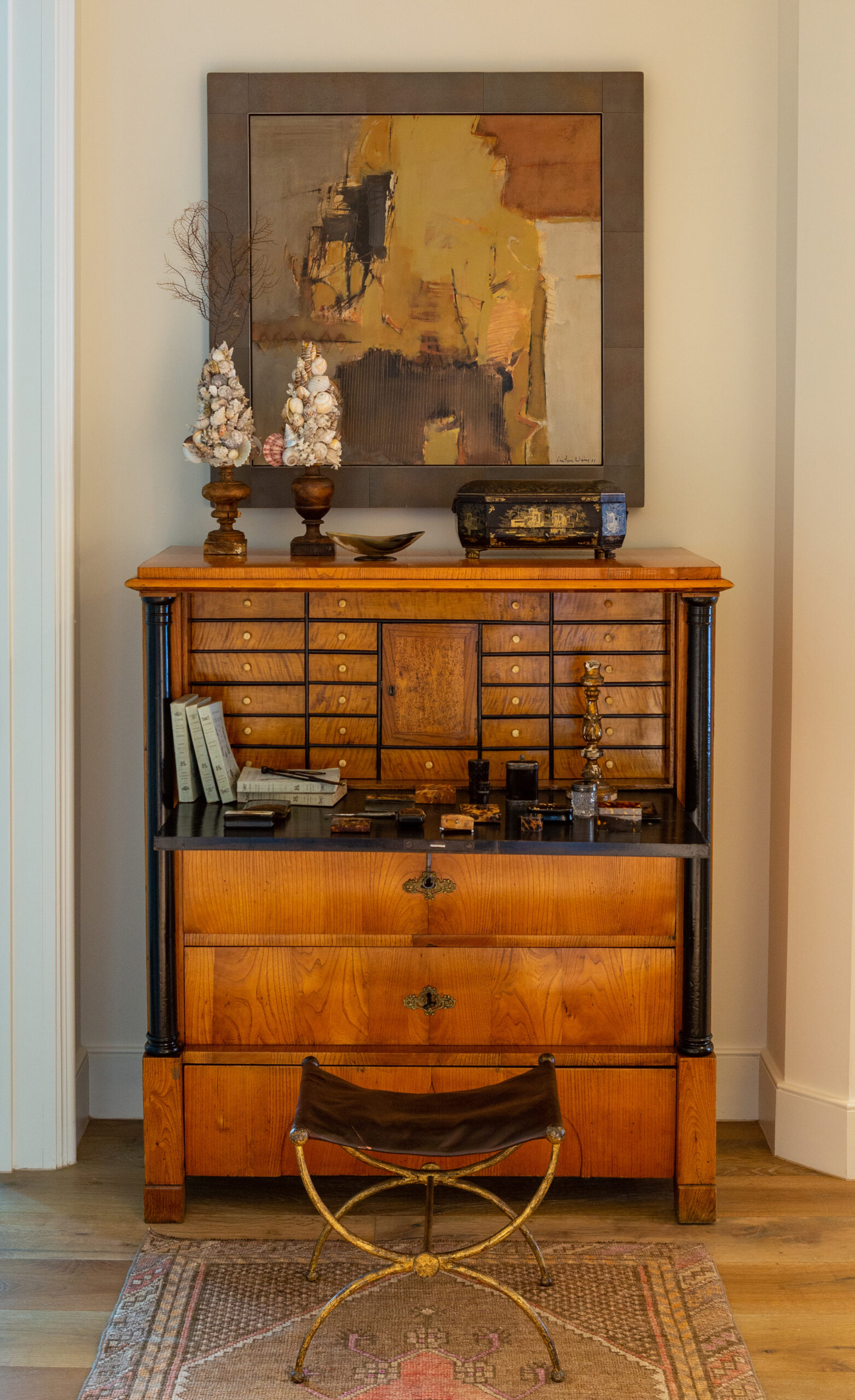
Why did you choose Ironware for the master bath project above? This master bath was created for luxury and indulgence and it’s intent was to be a solace sanctuary for the homeowners. We carefully chose each element in the space using beautiful gold leaf plumbing fixtures, custom hand painted tub and various European marbles. The Ironware sconces and chandelier were like the beautiful jewelry that completed this amazing bath. Name something that inspired your work recently. No doubt the Coronavirus pandemic has changed our way of thinking about design and how we use our homes. The most impactful changes I see will be functionality and comfort. We are forced to consider the most efficient use of our space, such as where we work in our home, where we dine, home school, relax, etc. Is the open floor plan working? Where do we go for private time? I think outdoor spaces will become even more important as this will allow for fresh air as well as social distancing when we start to have friends over. Now, more than ever, we need to be surrounded by beautiful and meaningful things that we love and connect with. As designers, our job just got a bit more challenging and critical. Our homes must function in many different ways than ever before. Let’s get to work! Why is Interior Design Important? Our homes are our safe haven and our comfort from the outside world around us…especially right now. Good design helps us feel better…when our surroundings are beautiful and orderly, we thrive in our environment  and are at peace and “rest”. Interior design makes our homes comfortable, functional and tells the story of who we are. What is your favorite travel destination? France, France, France…..I have been many times, mostly for work and it always inspires me. I feel a sense of home when I am there and each time I go, I experience something unique and different. Much of my design inspiration comes from my buying experiences, the country side, architecture, hotels and even the people I meet. Name a designer you admire and tell us why. Axel Vervoordt. I love his design aesthetic, his passion for artifacts, use of timeless antiques and natural materials. Describe a favorite piece in your personal home. When I first starting collecting antiques, one of the first pieces I bought was an Art Deco secretary. I bought this piece from an antique dealer friend of mine. I loved his style and he had sourced this piece in Italy. This secretary has moved many times with me and I love where it has lived in each home. I display my collection of antique tortoise shell boxes on the secretary and it brings me joy to see my collection each day! What is one piece of advice you have for an interior designer just starting their career? Work for and learn under a designer you admire. Learn all you can as this is THE most complex and detailed profession. Be patient as your skills will take time to cultivate. What do I especially appreciate about Ironware? Ironware pieces not only stretch creative boundaries in design, but they are made by a family of craftsmen. It is rare to find such uncompromised quality, finishes and customization options in lighting today.

A few Robin Rains Interior Design projects:

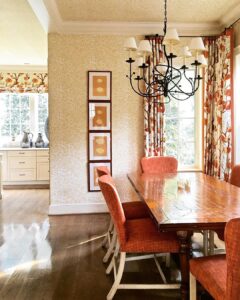
Interior by Robin Rains, photography by Alyssa Rosenheck

Interior by Robin Rains, photography by Leslee Mitchell

Interior by Robin Rains, photography by Alyssa Rosenheck